Skip to content

Understanding Oil Painting Mediums

From Traditional Oils to Water Mixable Solutions

Oil painting has always involved more than just colour from the tube. By mixing paint with different mediums, artists can adjust the flow, drying time, transparency and finish of their colours. Mediums make it possible to work with thin washes, smooth blends, luminous glazes or thick, expressive brushwork.

From traditional oils like linseed and poppy oil to modern water mixable solutions, each medium changes how oil paint behaves and supports different painting techniques.

What Is an Oil Painting Medium?

A medium is an additive mixed with oil colour to modify its handling and working properties. Artists use mediums to:

  • Improve paint flow and brush control
  • Adjust drying time
  • Increase transparency for glazing
  • Change the surface finish from matt to gloss

Because oil paint is naturally incompatible with water, it traditionally requires solvents such as turpentine or low-odour thinners to dilute the paint or clean brushes.

Modern developments, however, have introduced water mixable alternatives that offer the same versatility with far less reliance on solvents.

Traditional Oil Mediums

Traditional mediums are based on drying oils or solvents and have been used for centuries to refine how oil paint behaves on the surface.

Linseed Oil

Linseed oil is the most widely used oil painting medium. It reduces the consistency of oil paint and slows drying time, giving artists longer to blend colours and work wet-into-wet. It also produces a rich, glossy finish that enhances colour depth and saturation.

Artists often use linseed oil for:

  • Extending working time
  • Improving paint flow
  • Building transparent glazes
  • Increasing colour richness

Because of its flexibility and reliability, linseed oil is a staple in most oil painters’ studios.

Stand Oil

Stand oil is a thicker, polymerised form of linseed oil. It improves the flow of paint while helping reduce visible brush marks, producing smooth and even paint films.

This makes it particularly useful for:

  • Glazing techniques
  • Smooth brushwork
  • Creating durable paint layers

Stand oil dries slowly but forms a strong and elastic paint film, helping maintain the long-term stability of the painting.

Poppy Oil

Poppy oil is a clear drying oil that resists yellowing more than linseed oil, making it especially suitable for lighter colours.

Artists often use poppy oil when working with:

  • Whites
  • Pale blues
  • Light yellows

It improves paint flow and gloss, although it dries more slowly than linseed oil and is usually used in moderation.

Turpentine and Oil Diluents

Turpentine and similar diluents have long been used to thin oil paint and create fast-drying underpainting layers. They improve flow and allow artists to produce very thin washes during the early stages of a painting.

These solvents are also commonly used for cleaning brushes and palettes.

Water Mixable Oil Mediums

Modern oil painting has expanded to include water mixable solutions that reduce the need for traditional solvents.

These mediums allow artists to thin paint and clean brushes using water while still working with the depth and richness of oil colour.

Water Mixable Oil Medium

This medium allows traditional oil paints to become water mixable simply by blending it with the colour. Once mixed, the paint can be thinned or cleaned with water instead of solvent-based mediums.

It retains the handling qualities of oil paint while offering a more convenient and studio-friendly way to work.

Water Mixable Linseed Oil

Water mixable linseed oil performs the same role as traditional linseed oil. It reduces paint consistency, slows drying time and produces a glossy finish, but it can be mixed and cleaned using water instead of solvents.

Water Mixable Stand Oil

Water mixable stand oil improves paint flow and reduces brush marks, producing smooth paint films while maintaining compatibility with water.

Fast Drying Medium

Georgian Water Mixable Oil Fast Drying Medium

Fast drying mediums accelerate the drying time of water mixable oils, making them particularly useful for underpainting or multi-layer works.

Why Water Mixable Oil Medium Is So Versatile

One of the most useful aspects of water mixable oil medium is that it bridges the gap between traditional oil painting and modern solvent-free techniques.

It Works with Traditional Oil Paint

By adding water mixable medium to conventional oil colour, artists can convert it into a water-compatible paint. This means painters can enjoy the handling qualities of oil colour while reducing their use of solvents.

It Creates a More Studio-Friendly Environment

Because these mediums are solvent-free, they reduce fumes and improve working conditions. This makes them particularly useful in:

  • home studios
  • classrooms
  • shared workspaces

It Maintains the Qualities of Oil Painting

Water mixable oils still dry through oxidation like traditional oils, which means they retain:

  • long blending times
  • rich colour depth
  • smooth glazing potential

The only major difference is how the paint is diluted and cleaned.

Choosing the Right Medium

Different mediums support different stages of the painting process.

Medium Best Use
Linseed Oil Blending, glazing, colour depth
Stand Oil Smooth finishes and controlled brushwork
Poppy Oil Light colours and reduced yellowing
Turpentine / Thinner Fast underpainting and washes
Water Mixable Oil Medium Solvent-free oil painting
Fast Drying Medium Faster layering and underpainting

Many artists combine several mediums in a single painting, adjusting the properties of the paint as the work develops.

A Modern Approach to Oil Painting

Oil painting has evolved, but the role of mediums remains essential. Traditional oils such as linseed, stand oil and poppy oil continue to support classic techniques, helping artists control drying time, texture and transparency.

Water mixable mediums offer a modern alternative, allowing artists to work with both traditional and water mixable oils while reducing the need for solvents. For beginners, professionals and educators alike, they provide a flexible way to experience the richness of oil painting with greater convenience and control.

Frequently Asked Questions

How do you dispose of the tubes and paint?

The tubes when cleaned are recyclable. The most environmentally friendly way of cleaning would be to put the washings into a sand bin. This prevents any washings from going to the sewer.

Can the Watercolour Varnish be thinned and how should I do it?

Yes, the varnish can be thinned if required using Industrial Methylated Spirits. Add a small amount and mix thoroughly before use to achieve an even consistency. Thinning may be helpful if the varnish feels too thick or difficult to apply smoothly. It is important to ensure the mixture is fully blended, as poor mixing can lead to an uneven finish and may affect overall performance.

What type of brush should I use should I use to apply varnish?

We recommend using an old or disposable brush. The varnish can be very difficult to remove once it begins to cure, and cleaning the brush thoroughly afterwards may be challenging.

Why is the Watercolour Varnish difficult to apply?

The Watercolour Varnish has a relatively high viscosity (thickness), which can make it heavier to brush out compared to standard coatings. This is normal and helps provide a durable finish.

What is the difference between lightweight and heavyweight drawing paper?

Lightweight paper is better for sketching, studies, and practice work. Heavyweight paper is more durable, handles erasing better, and is better suited for finished drawings or mixed media techniques.

What is the difference between alla prima vs layered in oil painting?

These are two different approaches to oil painting:

1. Alla prima involves completing a painting in one session while the paint is still wet. It encourages speed, direct application, and expressive brushwork.

2. Layered painting is a slower process, built over multiple drying stages. It allows for depth, glazing, and refinement over time.

How do you mix oil paint colours cleanly?

Clean colour mixing is essential for maintaining vibrancy and control in oil painting.

Start with a limited palette to avoid unnecessary complexity. Mix colours gradually rather than combining large amounts at once.

Use a palette knife for mixing to maintain purity and avoid contaminating brushes.

Avoid overmixing, as this can reduce colour brightness and lead to dull results.

How do you choose the right watercolour paper?

Paper choice has a direct impact on how watercolour behaves.

Hot press paper is smooth and ideal for detail work. Cold press has a balanced texture suitable for most techniques. Rough paper creates strong texture and expressive washes.

Heavier papers absorb water better and reduce buckling, especially for wet techniques.

How do you create soft and hard edges in watercolour?

Edge control is one of the most important aspects of watercolour painting.

Soft edges are created when wet paint meets a damp or wet surface, allowing colours to diffuse into each other naturally. This is useful for atmospheric effects and transitions.

Hard edges are achieved when paint is applied to a dry surface, resulting in sharp, defined shapes.

Most paintings use a combination of both to create depth and focus.

How do you lift watercolour paint safely?

Lifting allows you to correct mistakes or create highlights by removing pigment from the surface.

Use a clean, damp brush, tissue, or sponge, depending on the level of control needed. Work gently to avoid damaging the paper surface.

Lifting works best while the paint is still slightly damp, though some pigments can be lifted after drying, depending on staining strength.

Avoid excessive scrubbing, as this can permanently affect the paper texture.

How do you use heavy body vs fluid acrylic?

Different acrylic consistencies are designed for different effects and techniques.

Heavy body acrylic has a thicker texture, making it ideal for brush marks, impasto, and structured painting. It holds shape well and is often used for expressive or textured work.

Fluid/soft body acrylic has a lower viscosity, making it better for smooth coverage, glazing, fine detail, and pouring techniques.

Many artists use both within the same piece for contrast and control.

How do you blend acrylics before they dry?

Blending acrylic successfully depends on timing and control, as the paint dries quickly compared to other mediums.

Work in small sections to maintain a wet edge. Apply colours next to each other while the paint is still open, then gently merge them using a soft brush.

Adding a small amount of blending medium can extend working time and make transitions smoother. Avoid overworking the surface, as this can cause muddiness or lifting.

Canvas vs paper vs board: when to use each

Each surface behaves differently under paint.

Canvas is flexible and ideal for acrylic and oils. Paper is more versatile but less durable under heavy wet media. Boards provide rigidity and support detailed or layered work.

The choice depends on technique, permanence, and desired finish.

Selecting the right surface improves both control and longevity.

Oil paint drying times: what to expect and why it varies

Oil paint drying is influenced by thickness, pigment type, and environment.

Some colours dry faster due to their composition, while thicker applications take significantly longer.

Airflow and temperature also affect drying speed, but oil paint never dries instantly.

Understanding drying time helps you plan layers correctly and avoid premature overworking.

What does “fat over lean” mean when oil painting?

Oil paint layers must be built with increasing oil content.

“Lean” layers contain less oil and dry faster. “Fat” layers contain more oil and dry more slowly.

This structure prevents cracking by ensuring flexibility in upper layers.

A simple rule: each new layer should be slightly richer in oil than the one beneath it.

How do you glaze with oil paint?

Oil glazing creates depth and luminosity.

A glaze is a thin, transparent layer applied over a dry surface. It should enhance underlying tones rather than obscure them.

Use glazing mediums to control flow and maintain transparency. Apply thin layers and avoid overworking.

Allow each glaze to dry fully before adding another layer.

How do you build layers when painting with oils?

Layering oils is about structure and drying time.

Begin with a lean underpainting using diluted paint. This establishes composition and tonal values.

Each subsequent layer should contain slightly more oil than the last, following the fat-over-lean principle.

Allow sufficient drying time between layers to prevent cracking or instability.

Wet-on-wet vs wet-on-dry: when do you use each technique?

These two techniques produce very different results and are essential for watercolour control.

Wet-on-wet allows pigment to spread freely, creating soft edges and organic blends. It is ideal for skies, backgrounds, and atmospheric effects.

Wet-on-dry produces sharper edges and more controlled shapes. It is better for detail, structure, and defined forms.

Most watercolour work uses a combination of both techniques, depending on the stage of the painting.

How do you layer watercolour without lifting previous paint?

Layering watercolour requires time and full drying between stages.

Each layer must be completely dry before applying the next, otherwise pigment will reactivate and lift.

Use a light touch when applying new layers. Avoid overworking the surface, especially on softer papers.

Build colour gradually rather than trying to achieve depth in one application.

How do you paint a clean watercolour wash (flat and graded)?

Washes are essential for backgrounds, skies, and tonal foundations.

For a flat wash, mix enough paint to complete the area in one go. Apply evenly from top to bottom, keeping a consistent bead of paint at the edge of your brush stroke.

For a graded wash, gradually add water to your mix as you move down the surface. Keep strokes smooth and uninterrupted.

Avoid going back into drying areas, as this causes patchiness and texture disruption.

How do you control water for better watercolour results?

Water control is the foundation of watercolour painting.

The balance between pigment and water determines everything from softness to edge quality. Too much water leads to uncontrolled flow, while too little results in dry, uneven marks.

Start by loading your brush consistently and testing dilution on scrap paper. Maintain a similar water level across your palette when working on washes.

Control improves when you work in stages – wet areas for soft blends, drier areas for sharper edges.

How do you glaze with acrylic for depth?

Glazing adds depth, richness, and complexity to acrylic work.

A glaze is a thin, transparent layer of colour applied over a dry surface. It should enhance underlying layers rather than cover them.

Use acrylic glazing medium rather than water to maintain colour strength and adhesion. Apply thin, even layers and allow each glaze to dry fully before adding another.

Build depth gradually rather than trying to achieve the final tone in one pass.

Glazing works best when underlying layers are well planned and dry.

How do you layer acrylic paint cleanly?

Layering is where acrylic becomes powerful, but also where issues can appear.

Each layer must be fully dry before applying the next. This prevents lifting and keeps colours sharp. Thin, even layers tend to behave more predictably than heavy applications.

Start with diluted or thin paint for base layers, then gradually build opacity. If you want soft transitions, work quickly while the paint is still open or use a blending medium.

Avoid scrubbing into semi-dry layers, as this causes texture disruption and dulling of colour.

How do you build texture with acrylics?

Acrylic allows for controlled texture through both paint and tools.

Texture can be created using heavy body paint, palette knives, dry brushing, or structured mediums. Each approach gives a different surface quality.

For subtle texture, build layers gradually and vary brush direction. For stronger effects, apply thicker paint or mix with texture gels.

The surface matters – heavier or primed surfaces hold texture better and reduce cracking risk.

The most effective textures come from controlled layering rather than applying everything in one step.

What paper should I use for watercolour?

Use watercolour paper with good weight and absorbency. Heavier papers handle more water and reduce buckling.

Do I need solvents for oil painting?

Solvents are useful for thinning paint and cleaning brushes, but you can also work with solvent-free mediums if preferred.

Why is my oil painting cracking?

Cracking can happen when paint layers are applied out of balance. In oil painting, it’s important to follow the “fat over lean” principle – meaning each new layer should contain a little more oil than the one underneath. This helps the painting dry evenly and stay flexible over time.

What’s the difference between pans and tubes?

Pans are convenient and portable; tubes offer stronger, more immediate colour and are ideal for larger washes.

Can I layer watercolour?

Yes, once the previous layer is fully dry. Use a light touch to avoid disturbing the layer underneath.

How do I stop blooms and backruns?

Blooms happen when excess water flows into a drying area. Work evenly and avoid adding water to areas that have started to dry.

Why do my watercolours dry lighter than expected?

Watercolour naturally dries lighter as the water evaporates. Mix slightly stronger than your target tone to compensate.

How do I stop streaks in acrylic paint?

Use a softer brush, apply slightly thicker paint, and work in even strokes. A small amount of medium can also improve flow.

Why do my acrylic colours look dull?

Over-mixing, too much water, or absorbent surfaces can reduce vibrancy. Use clean mixes, less dilution, and a suitable surface or primer.

Can I use acrylic paint on any surface?

Acrylic works on canvas, paper, wood, and more. For best results, use a primed or sealed surface to ensure proper adhesion.

Why is my acrylic paint cracking?

Cracking usually happens when paint is applied too thickly or dries unevenly. Build up layers gradually and avoid applying heavy paint over a fast-drying base.

How can I slow down acrylic drying time?

Work in smaller areas, mist your palette lightly with water, and use a slow-drying medium. Avoid painting in direct heat or airflow.

Why does my watercolour appear blotchy or uneven on paper?

Uneven water distribution is the main cause. Load your brush consistently and keep the surface evenly wet when working on washes.

Why not try adding an Ox Gall Solution Medium? Ox Gall Solution enhances wetting and flow, helping watercolour paint spread uniformly across the paper and preventing blotting or dotting effects.

Recommended medium: Ox Gall Solution (D114007005)

How do I improve the water miscibility of the watermixable oils?

Adding this medium improves the water miscibility of water-mixable oil colours, making them easier to dilute and control with water.

Recommended medium: Georgian Water Mixable Medium (D119707029)

Why aren’t my water-mixable oil colours drying quickly enough?

If you would like to speed up the drying time, this medium mixes with water-mixable oil colours to significantly accelerate drying time.

Recommended medium: Georgian Water Mixable Fast Drying Medium (D119707015)

Why is my watercolour paint too thick and hard to brush out?

If you find your watercolour paint too thick, try an Ox Gall Solution Medium, which improves wetting and flow, helping watercolour paint spread more smoothly and evenly.

Recommended medium: Ox Gall Solution (D114007005)

Why are my oil colours drying too slowly?

Oil paint dries through oxidation, which takes time. Thicker layers and certain colours dry more slowly.

To speed things up:

  • Work in thinner layers.
  • Use an Alkyd-based medium to accelerate drying while maintaining good flow and paint handling
  • Ensure good airflow.
  • Avoid excessive use of slow-drying oils.

Recommended medium: Alkyd Flow Medium (D114007022)

Why are my oil colours too thick or difficult to brush out?

To reduce the thickness of your oil colours, mix with Linseed Oil.

Linseed oil can be blended with oil colours to achieve the desired consistency, improving texture, flow, and brushability.

Recommended medium: Georgian Linseed Oil (D114007014)

Why does my acrylic feel heavy or drag on the brush when painting?

To improve brushability, use either a Liquid Retarder or a Flow Enhancer.

Liquid Retarder extends open time, while Flow Enhancer improves paint movement, reducing drag and heaviness during brush-out.

Recommended mediums: System3 Liquid Retarder (D127250033) & Acrylic Flow Enhancer (D128075008)

Why is my acrylic paint drying too quickly?

Acrylic dries quickly by design, especially in warm or dry conditions. To extend working time, use more paint, avoid over-thinning with water, and consider a retarder or stay-wet palette.

The amount of retarder added determines the degree of drying time modification, giving you more working time.

Recommended medium: System3 Liquid Retarder (D127250033)

Why does my acrylic paint dry too glossy?

If you would like your acrylic paint to be less glossy, we recommend using a matt glazing medium.

Glazing Medium Matt can be mixed with acrylic colours to reduce gloss and produce a more matt finish upon drying.

Recommended medium: System3 Glazing Medium Matt (D12825101400)

How do I reduce the viscosity of the System3 Screen Printing Medium?

Acrylic Flow Enhancer can be added to a screen printing medium to reduce viscosity. This allows users to tailor the consistency to their preferred working properties without compromising performance.

Recommended medium: Acrylic Flow Enhancer (D128075008)

Why does my acrylic paint dry with a finish that is too matt?

If you are looking to increase the gloss of your acrylic paint, a Glazing Medium Gloss can be mixed into acrylic colours to increase the gloss level once the paint has dried, resulting in a richer, more reflective finish.

Recommended medium: System3 Glazing Medium Gloss (D12825101900)

Why is my acrylic or gesso too thick, gelatinous, or gloopy?

Acrylic Flow Enhancer is designed to improve the flow of acrylic colours. When used sparingly, it can transform slightly gelatinous acrylics into a softer, freer-flowing paint. While no acrylic should become extremely thick or jelly-like, normal viscosity drift can occur, and in almost all cases flow enhancer will resolve the issue.

Recommended medium: Acrylic Flow Enhancer (D128075008)

Do the Georgian Water Mixable Oils contain preservative Methylisothiazolinone and similar synthetic preservatives?

These paints are oil based, so they do not contain MIT or other preservatives.

How do I update my preferences or subscribe to your newsletter?

Please complete the Newsletter form here to update your newsletter preferences or to subscribe.

How do I collaborate with/get sponsored by Daler-Rowney?

We love to collaborate with artists, however, we do consider sponsorships and collaborations on a case-by-case basis.

For more information or to enquire, please use the contact form.

Please add any social media profiles, portfolio websites and key information/statistics on the form. We thank you in advance for providing this information.

Where can I download your logo or product images/assets?

Our logo/imagery may be requested in conjunction with adding our products to your store, your website or social media if there is a partnership only.

For further information or to request access to our assets, please contact us using the form with an explanation of the proposed use.

If you do use our logo without prior approval, we will request for our logo to be removed.

I didn’t receive any canvas wedges, where can I request them?

We are sorry for the inconvenience this may have caused. Please be aware that our smaller canvases do not come with wedges. If you would like to request wedges, please fill out our contact us form.

Do you sell other brands?

Daler-Rowney does distribute other brands in the UK that are part of the FILA Group family, such as Giotto; Giotto be-bé; DAS; Lyra; Arches; Canson; Strathmore; Princeton; Maimeri; LUKAS; Scola; to name a few.

For more information, please contact us via our enquiry form or visit FILA’s website.

Can I buy directly from you?

If you are using our products, as an artist, please use our store locator to find your nearest retailer.

If you live outside the UK, please visit our store locator. If your country does not have any stores listed, please fill out the contact us form and we will forward your email to your local FILA office.

A retailer or school – please fill out the contact us form to request a retail/education account.

Am I able to order samples?

You are able to request samples on the mountboards, Murano, and Canford paper in the UK only.

Unfortunately, we do not send paint samples out, however, please do head to your nearest art store to take a look at the colours and products that we manufacture.

Please use the contact us form to request your mountboard, Murano, and Canford paper samples.

Do you test on animals or use animal-derived ingredients?

At Daler-Rowney, we do not test our products on animals.

Daler-Rowney does not use animal-derived ingredients in most colours and mediums it produces. The only exceptions to this are the pigment Bone Black (PBk9), Ox-Gall solution and Kandahar ink (Shellac).

Daler-Rowney does not use animal-derived ingredients in the manufacture of its paper and board ranges, with the exception of The Langton Prestige and Murano papers, which use gelatine.

Daler-Rowney does not use animal-derived ingredients in the manufacture of its synthetic hair brushes, and the only animal-derived ingredient in its natural hair brushes is the natural hair itself.

Daler-Rowney does not use animal-derived ingredients in the manufacture of its Simply Drawing and Sketching products except for the graphite leads in the Drawing Pencil Tube 22pcs Set and the Simply Sketching 40pcs Set which contain 5% of animal oil.

What is the Fine Art Trade Guild?

The Fine Art Trade Guild was formed in 1910 as the successor to the 1847 Printsellers’ Association, set up to oversee the fine art print trade. The Guild continues to set standards for prints, and our ArtSure scheme has brought those standards into the digital age. In addition, it sets standards and guidelines for picture framing, including the Four Levels of Framing and Quality Standards for Mountboard.

Daler-Rowney is one of the founding members.

For more information, please visit: https://www.fineart.co.uk/

I have scanned the QR code on the back of the Screen Printing kit product packaging but it does not lead anywhere?

I have scanned the QR code on the back of the product packaging but it does not lead anywhere?

We previously had several QR codes on our packaging for our products, however, these links have now expired and we apologise for the inconvenience this may cause. Please take a look at our Discover section, YouTube channel, product or brand page to view more information on the purchased brands.

For Simply products, please visit our How-To’s to find the SimplyCreate how-to guides.

How do I contribute a new how-to to your techniques page?

We welcome all feedback and are always thrilled to work on new how-tos. To request a new how-to, please send us your request via the contact us form.

How do I find out more information about old products?

Please fill out the contact us form with as much information as possible to help us try to date the product. Attaching images via the URL field will also help greatly.

Please note: Old paintings with a Daler stamp on the back only indicate that they have used a Rowney mountboard, we will not be able to help with the artist or their subject.

How do you preserve the longevity of finished artworks on paper?

Extend Longevity: Select acid-free and archival-quality papers to ensure the longevity of the artwork.

Handling and Storing Artwork: Once the artwork is completed, avoid direct contact with fingers or other surfaces that may cause smudging or damage. Store the artwork in a clean, dry environment away from direct sunlight, heat, and humidity. Acid-free sleeves or portfolios are ideal for protecting the pieces from environmental factors, such as light, humidity, & pollutants, and handling.

Maintenance and Preservation: Regularly inspect the finished piece for signs of deterioration, such as fading, yellowing, or discolouration. Take proactive measures to address any issues and preserve the integrity of the pieces. Consider framing the artwork using archival-quality materials to further protect. UV-protective glass prevents fading caused by sunlight exposure.

How do I attach the canvas wedges?

To attach the canvas wedges, please watch the following video: https://www.youtube.com/watch?v=BvC_tHXiPss

How long do you need to leave an oil painting before varnishing?

Most artists wait around 4-6 months before applying varnish, however, start testing the surface of the painting with caution with a fingernail/thumb test after 7 days.

I would like to try a medium, what would you advise?

We advise that you test a small area first before committing to the whole painting.

How do you revive paint?

Paints can be revived with water or, in the case of oil, turpentine. If you are having trouble reviving one of our paints, please contact us.

How do you open the Fluid Acrylics tubes?

To open the 250ml and 500ml Fluid Acrylic or many of our larger size paint tubes, cut along the top line as indicated in the image.

My art masking fluid is coagulation and thickening, what should I do?

Art masking fluid is a natural latex solution. In almost all cases, the thickening of the product is simply at the surface of the liquid where there is contact with air in the bottle. In almost all cases, a simple manipulation with a palette knife or a brush breaks this thin layer to reveal the fluid liquid beneath.

Should the coagulation or thickening be apparent throughout the entire bottle, which can happen with much older stock, please contact us via the contact us form.

What do the terms pigments and solvents mean?

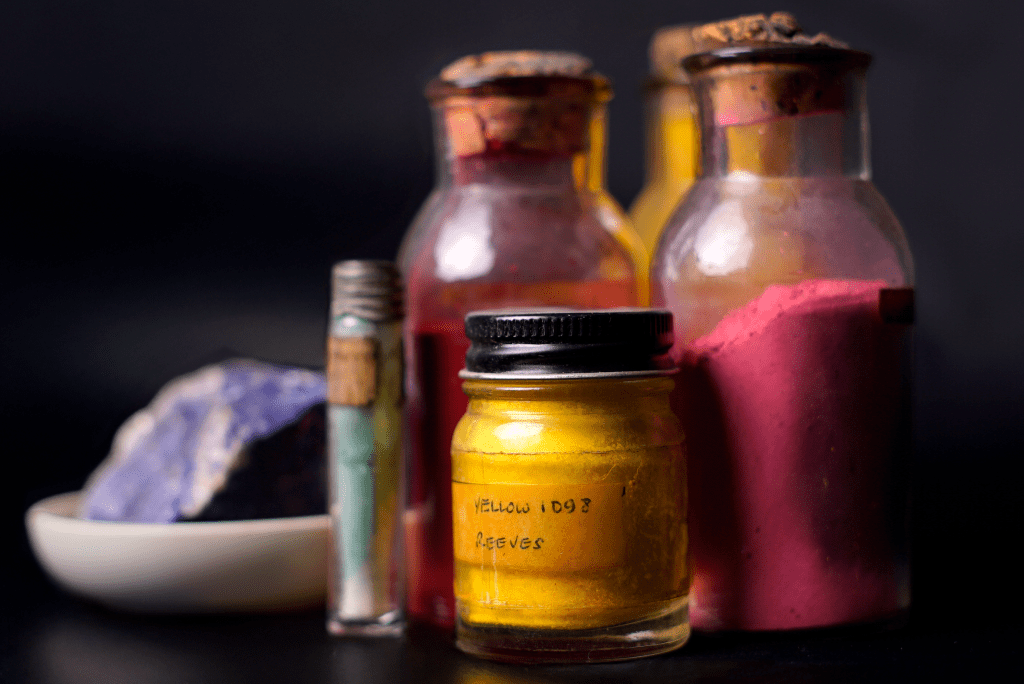
Pigments are the actual colouring substance of paint usually of mineral or organic origin. It is completely or nearly insoluble in water, when mixed with binders it becomes paint, ink or crayons etc.

A solvent is used to thin or dilute paint. For example, turpentine is a solvent used in oil painting for diluting paint & to create thin underpainting & washes.

What does FSC® mean?

FSC® (Forest Stewardship Council® ) is an independent, non-governmental, not-for-profit organisation established to promote the responsible management of the world’s forests.

It is the leading catalyst and defining force for improved forest management and market transformation, shifting the global forest trend toward sustainable use, conservation, restoration, and respect for all. Search FSC® on our website to see our FSC®-certified (FSC-C111372) products.

Visit their website for more information: https://fsc.org.

What does hue mean?

A hue is the actual colour of something. A term often used to refer to the dominant pure colour within a colour.

How do you prepare paper and seal your artwork?

Prepping Paper: Before starting the piece of art, gently flatten any curled or wrinkled edges by placing the paper under a heavy book or flat surface for a few hours. If working with water-based media like watercolours or acrylics, consider stretching the paper to prevent buckling. Simply soak the paper in water, then carefully adhere it to a flat surface using gummed tape or staples. Allow it to dry completely before painting.

Sealing Your Artwork: Once the artwork is completed, protect it from smudging and damage by applying a fixative spray. Hold the spray can at arm’s length and apply in a well-ventilated area, following the manufacturer’s instructions. For added protection and longevity, consider sealing the artwork with a varnish or protective coating. Choose a product suitable for the medium used and desired finish, whether matte, satin, or gloss.

How do you prevent your drawings smudging?

Choose papers with a smooth, white surface to enhance the vibrancy and clarity of the colours.

Experiment with different paper textures and finishes to achieve unique effects and enhance the mood of the artwork.

How do you remove sheets from blocks?

Art blocks are glued along all four edges. This eliminates the need for stretching the paper prior to painting. Once the painting has dried, it can be removed.

Step 1: Wait until the paint is completely dry. Flip over the cover and look for the area where there is an unglued opening on the edge.

Step 2: Insert a knife, palette knife, or letter opener between the first and second sheets.

Step 3: Then gently run the knife around the edge of the sheet, rotating the block counterclockwise while moving the knife in the opposite direction.

Step 4: Continue splitting the glue until the sheet breaks away. Remove any remaining glue from the top sheet using your fingers.

Why is my paper buckling & how do you minimise it?

Too much water or lightweight paper can cause warping.

To minimise paper bulking:

  • Use heavier paper or stretch it before painting.
  • Avoid overworking the surface with excessive layers of paint or heavy applications of media.
  • Allow each layer to dry completely before applying additional media to prevent buildup and maintain paper integrity.

Consider using papers specifically designed to resist buckling and warping, such as heavyweight or watercolour papers.

What are the available formats for artist papers?

Artist papers come in a variety of formats, these include sheets, pads, spirals, blocks, and books. Blocks feature paper that’s securely glued on all four sides with a slot in the middle for a knife to release the paper, supported by a sturdy backing board.

What are archival papers?

Archival papers are made from acid-free materials and are pH neutral, preventing yellowing, fading, and deterioration over time.

Why are there so many shades of white for papers?

Artist-grade papers offer a spectrum of white shades, each with its own distinct character and aesthetic impact.

Bright White: Bright white papers exude crispness and clarity, providing a clean and luminous backdrop for artworks. They enhance the vibrancy of colours and ensure sharp contrast in compositions.

Natural White: Natural white papers offer a softer, warmer tone reminiscent of unbleached fibres. They evoke a sense of authenticity and organic beauty, lending a subtle warmth to artworks.

Warm White: Warm white papers possess a gentle ivory or creamy undertone, imparting a sense of warmth and nostalgia to artworks. They soften harsh contrasts and infuse artworks with a timeless elegance.

Cool White: Cool white papers lean towards the cooler end of the spectrum, with a hint of blue or grey undertones. They imbue artworks with a modern and sophisticated aesthetic, adding depth and dimension to compositions.

Off-White: Off-white papers offer a delicate balance between white and cream, with a subtle hint of warmth. They provide a versatile canvas for a range of artistic styles, blending seamlessly with both bold colours and delicate details.

What are the variety of artist papers available and their key features?

The art world has a vast range of papers available to artists. Below are the key features of each:

Drawing & Sketching Papers: Ideal for preliminary sketches, illustrations, and detailed drawings. These papers offer a smooth surface that accommodates a variety of drawing mediums, from graphite and charcoal to coloured pencils.

Watercolour Papers: Specifically designed to absorb water-based paints, watercolour papers come in different textures to suit various painting styles. They offer excellent colour retention and allow for subtle washes and vibrant pigments.

Acrylic Papers: Engineered to withstand the heavy application of acrylic paints, these papers provide a durable surface with minimal buckling. They allow for layering, blending, and texture-building techniques.

Oil Papers: Specially formulated to handle the unique properties of oil paints, oil papers feature a non-absorbent surface that prevents oil penetration. They offer excellent tooth for paint adherence and allow for intricate brushwork.

Pastel Papers: Textured to hold multiple layers of pastel pigment, pastel papers come in a range of tooth options to suit different preferences. They provide excellent grip and minimal smudging, allowing for precise blending and detailing.

Cartridge Paper: A high-quality, medium-weight paper, cartridge paper is known for its smooth surface and excellent erasability. It is commonly used for a wide range of artistic techniques, including drawing, sketching, illustration, and preliminary studies.

Mixed Media Papers: Versatile and adaptable, mixed media papers accommodate a combination of wet and dry media, including watercolours, acrylics, inks, and more. They offer a sturdy surface that withstands layering and experimentation.

Printmaking Papers: Engineered to meet the demands of various printmaking techniques, these papers feature a smooth surface that allows for crisp lines and intricate details. They come in different weights and textures to suit different printing methods.

Graphic Papers: Graphic Papers support a wide range of techniques including dry media, sketching, illustration, tracing, painting, markers & inks, and come in a variety of textures and weights. Tracing paper offers transparency for precise tracing, Marker paper prevents the bleeding of ink, Layout paper provides a smooth surface for drafting & technical drawings, and Bristol paper offers durability for multiple layers of media.

Ink & Calligraphy Papers: Designed to enhance the fluidity and richness of ink, these papers offer minimal bleeding and feathering. They provide a smooth surface for precise lettering and calligraphic strokes.

Canvas Papers: Mimicking the texture and appearance of traditional canvas, canvas papers provide a convenient alternative for artists who prefer working on a flat surface. They offer the flexibility to create both paintings and mixed media artworks.

Coloured Papers: Adding a pop of colour to artworks, coloured papers come in a variety of shades. They can serve as a vibrant background or as a unique element in collage and mixed media artworks.

Speciality Papers: Offering unconventional textures, colours, or properties, speciality papers cater to specific artistic needs and preferences. From handmade and textured papers to metallic and translucent sheets, the possibilities are endless.

What are the ingredients of artist papers?

An artist’s paper’s ingredients include wood pulp, cotton fibres, or a combination of both, both sourced sustainably. Wood pulp, derived from trees, forms the foundation of many papers. It provides strength and durability while offering a smooth surface for precise detailing.

Cotton fibres, harvested from the cotton plant, lend papers their texture and archival quality. They absorb pigments more readily, enhancing the richness and longevity of the artwork.

In addition to these primary ingredients, some papers may contain additives or coatings to enhance their performance, such as sizing agents for controlling absorbency or buffering agents for pH stability.

What are the differences between white/natural and coloured paper for finished artworks?

White and natural paper colours provide a classic, neutral backdrop for artwork, allowing colours to appear true and vibrant. They offer versatility for a wide range of mediums and styles, from delicate watercolours to bold acrylics.

Coloured paper introduces an additional dimension to the artwork. It can enhance mood and atmosphere, create striking contrasts, and inspire creative exploration. Whether sketching with charcoal or creating mixed media collages, coloured paper adds depth and intrigue to your compositions.

What does is the difference between smooth and textured paper?

Smooth papers offer a sleek, uniform surface, perfect for intricate details and precise lines. They provide a consistent backdrop, allowing the medium to glide effortlessly across the page. Ideal for techniques that require controlled application, such as detailed drawing or intricate illustration.

Textured papers boast a tactile quality that adds depth and character. Their unique surface adds intrigue and dimension, inviting exploration through varied brushstrokes and rich layers of pigment. For pastels, watercolours, charcoal, or mixed media, textured papers offer an excellent surface.

What does sizing and paper weights mean?

Sizing is a treatment applied to paper to control its absorbency, ensuring that the chosen medium interacts with the surface just as the artist intends. Sizing plays a crucial role in maintaining the integrity, preventing unwanted bleeding or feathering of colours, and allowing for finer details to shine through.

Paper weights refer to the thickness and sturdiness of the paper, often measured in grams per square metre (gsm). A higher weight indicates a denser and more robust paper, capable of withstanding heavier applications of paint, ink, or other mediums without buckling or warping.

When selecting papers, artists need to consider both the sizing and weight carefully. These elements influence the final look and feel of your artwork.

How are artist papers manufactured?

There are three types of paper making techniques, these include handmade, mould made, and machine made.

Handmade Paper: The art of handmade paper making has endured through centuries with little alteration. Crafted sheet by sheet, this traditional process involves pouring pulp onto a mould and then carefully interleaved between woollen felts, pressed to expel excess water, before being air dried and sized. Handmade watercolour paper often utilises 100% cotton and/or linen rag. Their longer fibre lengths result in a sturdier weave within the pulp enhancing durability. It’s important to note that the sizing and texture of handmade paper may vary between batches.

Cylinder Mould-Made Paper: Cylinder mould machines are comprised of a vat and a rotating cylinder mould. Paper material is drawn from the vat by the slowly turning cylinder. This cylinder is coated with a wire mesh, allowing water to flow through as it rotates, while the pulp forms a sheet on its surface. The resulting sheet is then transferred onto a moving belt lined with felt and undergoes further processing within the machine. During this process, the paper is either pressed between felt-covered rollers to create a textured surface or hot metal rollers for a smoother finish.

Fourdrinier Machine-Made Paper: The Fourdrinier machine, named after Sealy and Henry Fourdrinier, streamlined the paper-making process by mechanising the drying, pressing, and texturing of paper pulp using a series of rollers, enabling manufacturers to produce consistent batches of paper rapidly. Paper stock is spread over a mesh conveyor belt, where a vacuum removes water from the fibres. The paper is then passed through heated rollers to further reduce moisture content. Additional rollers are used to smooth or texture the paper surface and ensure uniform thickness.

How do pastels stick to papers?

Pastels stick to paper due to the texture and composition of both the pastel medium and the paper surface. Here are a few reasons why pastels adhere to paper:

Tooth of the Paper: Pastel paper often has a textured surface, known as “tooth,” which provides a slightly rougher surface for the pastel pigment to adhere to. This texture helps hold the pastel particles in place.

Softness of Pastel Medium: Pastels are made of pigments held together with a binder, typically Gum Arabic or Gum Tragacanth. Unlike paint, which is liquid when applied and dries to form a solid layer, pastel pigment particles remain loose and can embed themselves into the texture of the paper.

Friction and Pressure: When applying pastels to paper, the friction and pressure created by the pastel stick or pencil against the paper help embed the pigment particles into the paper’s fibres.

Absorption: The paper absorbs some of the binder in the pastel medium, causing the pigment particles to adhere more firmly to the paper surface as the binder dries.

Fixatives: Artists often use fixative sprays to further secure the pastel pigment to the paper surface after completing a piece. This helps prevent smudging and ensures the pastel adheres securely to the paper.

Overall, the combination of the texture of the paper, the softness of the pastel medium, and the application technique all contribute to the pastel sticking to the paper.

What technique is not supported by mixed media papers?

Oil painting is not supported by most mixed media papers. Paper for oil painting needs a barrier to prevent the oil seeping through the paper as used in Georgian paper. Without the barrier, the oil seeps through and the colours will dry dull and matt instead of matt and shiny.

What are the characteristics of mixed media paper?

Mixed media papers are versatile, lightly textured, and usually come in a heavier weight for greater stability with wet techniques.

What techniques are best used on drawing and sketching papers?

The following techniques can be used on drawing & sketching papers; graphite, charcoal, dry monochromes, oil pencils, markers, fineliners, colouring pencils, pastels, pens & ink.

What is the difference between the different weights of the Fine Grain paper range?

Fine Grain papers come in a variety of weights for different uses; lighter weights are more often used for drafts & sketching whilst heavier weights are used for finished works as they are more durable.

Why are acid-free papers important for artists?

A paper that is acid-free will not turn yellow over time and does not contain acid which can react with colours in artwork.

Are your surfaces acid-free?

Yes, we have a wide range of surfaces that are acid-free.

Do your products contain per-and polyfluoroalkyl substances?

No, our products do not contain per-and polyfluoroalkyl substances.

What do the surface symbols mean on your paints?

The symbols represent where the paint can be used, for example, Canvas, Murals, Glass, Textiles, and Interior/Exterior. Please visit the colour charts on the individual product pages to view the full list.

You will need to use the correct primers and finishes for a selection of surfaces, i.e., murals will need a varnish to make them waterproof and a primer on most wall surfaces to get the full colour. We do always recommend trialling on a small area and testing first.

Are your products non-hazardous?

The vast majority of artist paints are non-hazardous mixtures. Hazardous materials tend to be used more in mediums (due to the solvents used) and the hazards are clearly identified on the product labels and safety datasheets.

The datasheets can be found on our website, by clicking the product and then the downloads tab.

What type of palette should you use with which type of paint?

Traditionally, porcelain is used for watercolours/gouache, whilst wood is used mostly for oils, and plastics mostly used for acrylics mostly. Metal palettes are similar to plastic ones.

What is the difference between artists and student colours?

All our colours are proudly made in the United Kingdom, including colours especially crafted for hobbyists and art enthusiasts.

The main differences between our artist and student colours are:

  • Shades available …. more than the basic colour range.
  • Pigment Load …. higher pigment ratio to binder meaning stronger colour & better coverage.
  • Milling Technique …. more finely ground particles of pigment deliver stronger colour that also mixes quickly & evenly.
  • Cadmium Pigment …. the main cadmium pigments are the family of yellow orange & red, they have a resistance to fading and are generally more expensive pigments.

What do all the different mediums do?

A medium is an art supply added to paint and can be used to change the rate of drying, thin it out to cover a greater surface, create interesting effects, change its texture or consistency and improve flow.

Daler-Rowney offers mediums for acrylics, oils, watercolours and printing.

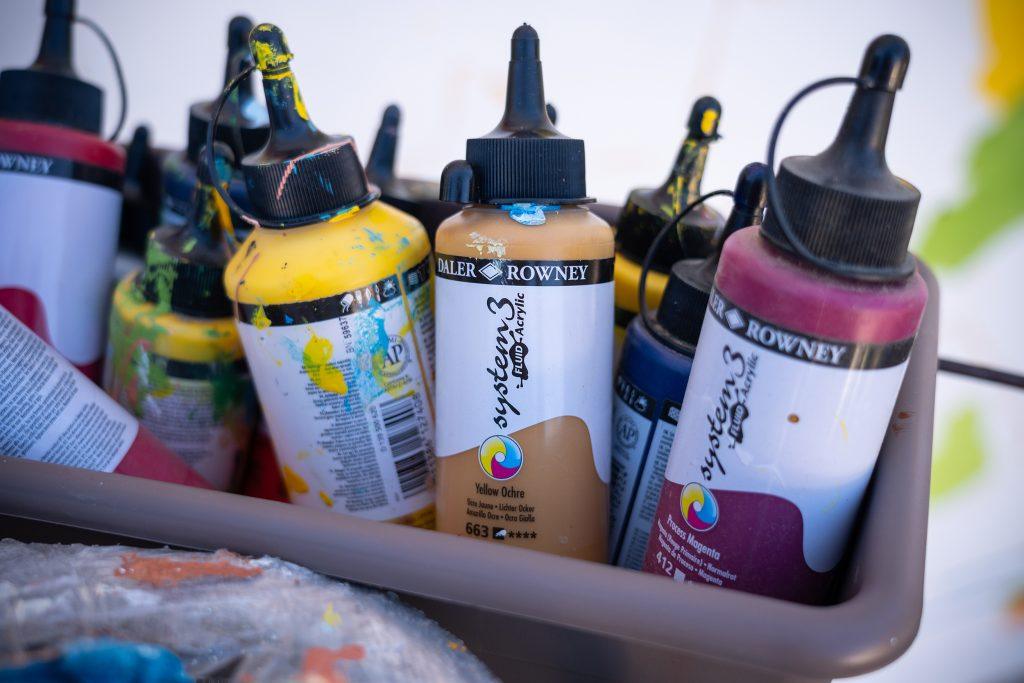
The collections our mediums are available in are Aquafine, Simply, Georgian, FW and System3.

What is the difference between all our inks?

Our product ranges include a variety of different types of products based on their formulas and use. For example, we have a variety of inks, including acrylic, watercolour, and others, based on specific techniques.

In our acrylic ink range, we have two main products, and their main difference is that System3 inks are opaque inks, whilst FW uses more natural pigments.

The Aquafine ink is thinner, so ideal for use in spray guns. It can also be used for traditional watercolour effects such as flocculation, blooming, scumbling, lifting & salting.

Kandahar, Calli, Luma and Pro are more specialised inks.

What is the difference between the different whites in our ranges?

Some products have a range of whites that include mixing white and underpainting white. These whites are different to the other whites due to their specific use:

  • Mixing whites are used to mix colours and retain their brightness and maintain their saturation
  • Underpainting whites are a faster drying white which allows other layers to adhere to it easily.

What is the advantage of using the products in the same collections for artists?

Using products from the same collection ensures colour consistency across your work, as the paints, papers, brushes and mediums are designed to work in harmony. Each product is developed to complement and enhance the performance of others in the range, enabling artists to achieve reliable and cohesive results.

What do I do if my ink is seperated?

Please shake your ink bottles before use.

Additional mixing may be required with a glass rod or another non-porous stirrer.

Why is the System3 collection good for murals?

The System3 collection doesn’t peel or crack when it is used outside, which makes it ideal for murals. Please note to fully prep your mural surface before painting.

How many times is the colour milled to create Georgian oils?

Georgian Oils are milled three times to create their outstanding quality.

How do I paint on plastic using acrylic paints?

In order to paint on plastic with acrylic paints, it is best to follow these steps:

  1. Always test on a scrap piece of material before committing to the desired piece
  2. Clean the surface – soap and water should be fine
  3. Sand the surface to create some texture (tooth). This may create enough texture for the paint to adhere to – test this out.
  4. If step 3 does not provide enough “tooth” for the paint to adhere to, then a primer is needed – apply a coat of primer to the surface and allow to dry
  5. Paint on top of the primer as required

It is worth considering the use of the following materials to create the best tooth:

  • Fine abrasive (400–600 grit sandpaper)
  • Scotch-Brite pad
  • Micro-file sander

What medium would you recommend to a beginner watercolour artist to try out alongside Aquafine watercolour paints for some great effects?

We would recommend using Art Masking Fluid.

What medium could you thin your oil paint down with and at the same time slow down the drying time?

Purified linseed oil can be used to think oil paint and at the same time slow down the drying time.

What oils do you use in your oil paints?

We use Sunflower oil in whites and Linseed oil in all other colours as it slows down the drying time of your paint, which can be very useful when painting in layers.

What is drying oil?

Drying oil is an oil that thickens or hardens on exposure to air.

Do your watercolour paints have granulation and staining properties?

We do not try and control the granulation and staining properties of these products, instead we allow the pigment to dictate if the colours are granulating/staining or not.

How should I take care of my artist brushes?

To care for your artist brushes, clean them immediately after use with the appropriate cleaner – water for acrylics, inks, gouache and watercolours, and solvent for oils.

Gently rinse and reshape the bristles, then dry the brush flat or with bristles pointing down.

Store brushes in a dry place, avoiding upright storage that can deform the bristles.

Regular maintenance will keep your brushes in top shape and extend their lifespan.

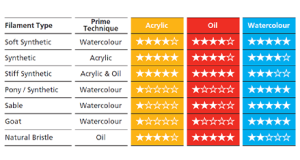
What filament is best for what technique?

The filament of a brush can be suitable for more than one technique. This table indicates the prime technique for each filament type, but also provides a guide of suitability for the others.
Can you explain what the different brush types do?

We have a variety of brushes depending on the medium used and the style of painting:

  • Flat – The flat can apply broad strokes or a fine line, when used on the chisel edge.
  • Filbert – Ideal for base-coating round or curved areas, applying washes and painting flower strokes.
  • Angle shader – Brush that allows the artist to get into tight areas with precision, which is perfect for shading and highlighting.
  • Wash – Great for applying washes or floating and blocking in large areas of colour.
  • Fan – Staple choice for landscapes and foliage, allowing paint to be applied in multiple directions in a single stroke.
  • Mop – Recommended for softening and blending, as well as varnishing and decoupage because it shows minimal brush strokes.
  • Sword – Works well for painting long grasses, flower stems, strokes of fur, leaves and flowing lines.
  • Round – Classic painting brush used for everything from flora and still lifes to portraits and landscapes.
  • Spotter – A round brush with shorter, tighter filament, ideal for any accurate detailer.
  • Liner – Brushes with very fine points, good for delicate work such as outlines, small details, lettering and long continuous lines.

Would your products affect any allergies that I may have?

We recommend taking a look at our safety data sheets for your chosen paint as these include safety precautions and any reactions which could happen.

The datasheets can be found on our website, by clicking the product and then the downloads tab.

What does the hazardous symbol on the label mean?

The hazardous symbols are attributed to substances that are hazardous to the environment – these are standard symbols on artist paints.

The most standard symbol on art products is a dead tree and a dead fish symbol. This symbol means the product is toxic to marine life with long-lasting effects. Our recommendation when cleaning your products is to put the washings into a sand bin rather than down the sink.

Are your products EN71 compliant?

Daler-Rowney products are not EN71 compliant as they are aimed at adults.

For enquiries on products from other brands in the FILA Group, please contact the brand directly with the product in question.

What are the shelf lives of your paints?

Our products, when stored correctly have very long shelf lives – on average around 5-15 years. If you have any concerns about a product, please do contact us.

What’s the difference between water-based v solvent – based paints and why preservatives are used?

The environmental benefits of water-based paints compared to solvent-based alternatives are well known and understood. The absence of Volatile Organic Carbons (VOCs), toxic and/or flammable solvents are the clear benefits of water-based paints. These advantages of water-based paints are well known to the end consumer; however, the disadvantages are not so transparent.

The fundamental weakness of water-based paint is that it provides a hospitable environment for microbiological growth, and without proper formulation, water-based paints would suffer from fouling within a relatively short period of time. Such fouling, if allowed to occur, would reduce the product life expectancy, allow exposure of potentially harmful microbiological organisms to our consumers and lead to higher waste and ultimately negative environmental costs. Enhancing product lifecycle is an important contributor to the overall sustainability of a product, with any form of in-built or natural obsolescence increasing waste and lowering the sustainability scoring of a product.

To maximise the benefits of water-based paints and to improve product lifecycle, Daler-Rowney, like all manufacturers of fine art and craft paints, makes use of preservative agents in its formulations. These preservative agents are designed as in-can protectors against microbiological harm, used in extremely small quantities (50-100 parts per million). The preservative agents used by Daler-Rowney are all approved for such use by the relevant competent authorities.

Preservative agents have always been used within artist & craft paint formulations; however, in recent years EU legislation has changed, and it is now a requirement for manufacturers to list the presence of certain preservative agents on product labels when the additive is used above a certain concentration in the final product. This new legislation is primarily driven by the fact that these preservative agents can lead to allergic reactions in a very small number of people, and it is only fair and reasonable to identify this small risk to all consumers at the point of purchase.

All risks associated with all products placed on the market by Daler-Rowney are clearly identified on the product label and the Safety Data Sheet (SDS), which are available on our company website. We are always more than happy to provide any further clarifications on such matters when and if they are required.

Do you sell a colour wheel?

Yes, we do sell colour wheels, for more information visit the product page.

To find your nearest store or online retailer, please visit our store locator.

Where can I download a product’s colour chart?

Colour charts are featured on the Download tab on the product pages.

What levels are your products?

We have different ranges for different artistic expertise:

The Simply collection is for beginner artists and hobbyists

The Graduate collection is aimed at students.

The Aquafine, Georgia, System3 and FW collections are aimed at professional artists.

The Artists’ and Designer collections are our top-of-the-line artist ranges.

Where can I find your latest Safety Datasheets (SDS) or Technical Data sheets (TDS)

Our latest Safety Datasheets are on the product pages in the Download tab. These are the most up-to-date data sheets.

How should I store sketchbooks and drawings?

Store sketchbooks flat in a dry environment away from direct sunlight. Finished drawings should be kept protected with tissue or interleaving sheets to prevent smudging and surface transfer.

What is the difference between sketching pencils and coloured pencils?

Sketching pencils (graphite) are used for tonal drawing, shading, and structure. Coloured pencils add pigment and are used for illustration, layering colour, and finished artwork. Both can be used on the same paper depending on technique.

Can I mix media on drawing paper?

Yes, but with limitations. Drawing papers are best suited to dry media. Light mixed media such as pencil with ink or light washes can work depending on paper weight, but heavier wet applications are better suited to mixed media or watercolour paper.

What is the benefit of using different paper textures?

Different textures allow artists to control mark-making. Smooth paper enhances precision and detail, while textured paper enhances tone, layering, and expressive effects. Choosing the right surface helps achieve the intended result more easily.

Why does my paper buckle when using wet media?

Buckling occurs when too much moisture is applied to paper not designed for heavy wet techniques. Using heavier paper or stretching the sheet beforehand can help reduce distortion.

What is the best paper for beginners?

A medium-weight, lightly textured cartridge or sketch paper is ideal for beginners. It provides enough control for detail work while still allowing shading, blending, and experimentation without overwhelming the user.

Can I erase easily on drawing paper?

Yes. Most drawing papers are designed to allow clean erasing, especially those intended for graphite and coloured pencil. Heavier or more textured papers may retain slight traces depending on pressure and medium used.

What is the difference between sketchbooks in the range?

Sketchbooks vary by paper weight, texture, binding style, and intended use. Lighter sketchbooks are designed for practice and portability, while heavier sketchbooks support more developed work and a wider range of media.

What drawing materials work best on Daler-Rowney sketchbooks?

Daler-Rowney sketchbooks are designed for graphite, coloured pencils, charcoal, ink, fineliners, and pastel work. The paper is chosen to balance smoothness and grip, making it suitable for both practice and finished sketches.

Can I use watercolour on drawing paper?

Light watercolour washes may be possible on heavier drawing papers, but they are not designed for full watercolour techniques. For best results, use dedicated watercolour paper, which is designed to absorb water evenly and prevent buckling.

What is the difference between smooth and textured drawing paper?

Smooth paper is ideal for fine detail, technical drawing, and pen work. Textured paper is better for shading, expressive sketching, and dry media like charcoal and pastel. The choice depends on whether control or texture is more important for your work.

What is cartridge paper used for?

Cartridge paper is a versatile drawing surface designed for pencil, pen, ink, and light dry media. Heavier cartridge papers can also support light washes or mixed media work, depending on the specific weight and sizing.

Can I use ink or markers on drawing paper?

Yes. Most drawing and sketching papers are suitable for fineliners, ink, and markers. However, smoother papers are recommended to reduce feathering and bleed, especially for detailed illustration or line work.

What is “tooth” in drawing paper?

“Tooth” refers to the surface texture of the paper. A light tooth is smoother and better for fine detail, while a stronger tooth holds more graphite, charcoal, or pastel and is better for expressive or textured work. The level of tooth affects how the medium grips and layers.

What is the difference between sketch paper and drawing paper?

Sketch paper is generally lighter and better suited for practice, studies, and quick sketches. Drawing paper is usually heavier and more durable, making it suitable for finished artwork and more detailed work. Heavier papers can also support light wet techniques depending on the range.

What can I use drawing and sketching paper for?

Drawing and sketching papers are designed for dry media such as graphite, charcoal, coloured pencils, fineliners, ink, and pastels. They provide a controlled surface that supports detail, shading, and line work without excessive smudging or bleed.

Find a Store Near You

Our products are available in thousands stores nationwide. Use our Store Locator to find your nearest retailer and explore our network of trusted art supply specialists. Visit in person to experience the quality firsthand, receive expert advice, and shop your favourite Daler-Rowney products locally.

Contact Us

Got a question? Start by browsing our FAQs for quick answers. If you can’t find what you’re looking for, get in touch by selecting the form that best matches your enquiry. We’d love to hear from you and are always happy to assist!

Newsletter background

Step 01 | 03

Personalise your Daler-Rowney experience

Select your preferences to personalise your homepage and register for inspirational content

Please fill in the form fields.

    Why do you use art supplies?

    Please choose an option.

    Continue

    Step 02 | 03

    Which techniques are you interested in?

    Please choose an option.

    Back
    Continue

    Step 03 | 03

    Which surfaces do you like to work on?

    Please choose an option.

    Subscribe to our newsletter

    The best way to stay updated on our latest news, new product launches, artist collaborations, and creative projects is through our curated newsletter. From exclusive previews to behind-the-scenes insights, we’ll keep you in the loop with everything Daler-Rowney. Follow us on social media for daily inspiration, artist spotlights and more updates.

    Back
    Continue