


System3 Screen Printing Liquid Retarder Medium


System3 Screen Printing Liquid Retarder Medium
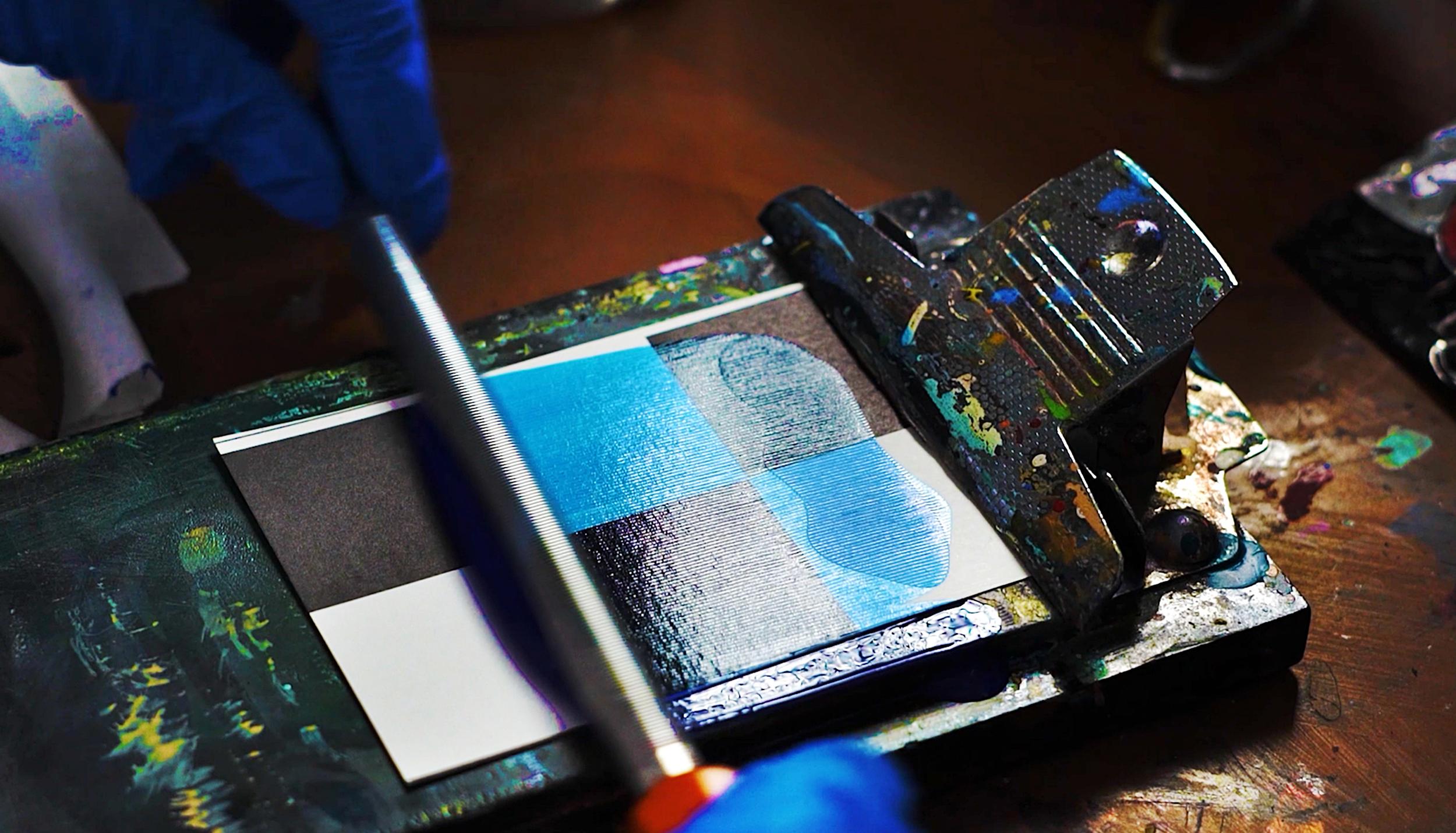
System3 Liquid Retarder is designed to be mixed with any System3 Acrylic Screen-printing ink to slow the drying time or reduce viscosity. It can be mixed with the System3 screen printing mediums and System3 acrylics or the ready to use acrylic screen-printing inks. It also reduces blockages in silk screens, is great for blending colours, particularly for fine, detailed work and makes the cleaning of screens easier.
System3 Liquid Retarder is recommended to be used in small quantities to start and slowly built up to meet your preferences. We would not recommend adding more than 25% of ink volume when mixed. Reducing the drying time allows more working time and is especially useful in warm, dry conditions.
- Slows drying time when mixed with System3 Acrylic Screen Printing Inks
- Helps reduce viscosity and minimize screen blockage
- Ideal for blending colours and achieving detailed prints
- Water-soluble and solvent-free for easier screen cleanup
- Suitable for students and professionals
- Available in a variety of sizes
Downloads
System3 Liquid Retarder Safety Data Sheet (SDS)
-
System3 Liquid Retarder Safety Data Sheet (SDS)
Resources
-

Abigail Tippetts and Roz Berkeley-Hill
British plein air painter capturing the shifting light and atmosphere of the landscape, working expressively in water-mixable oils and watercolour to record nature in the moment. -
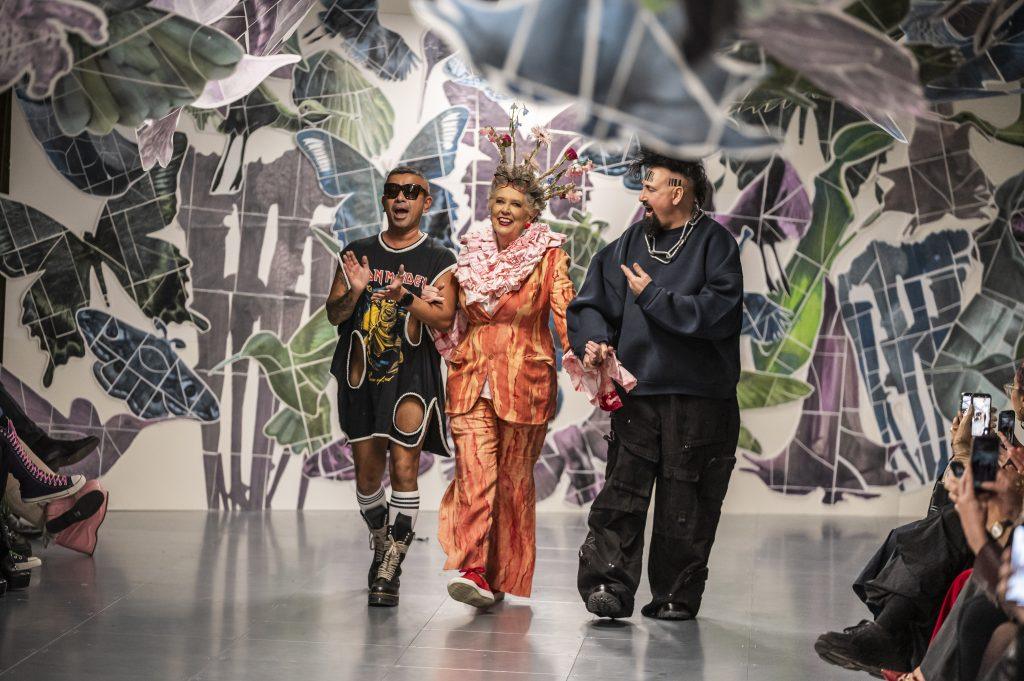
VIN + OMI x ‘JORD’
In February 2026, Daler-Rowney supported the VIN + OMI show JORD: Bring Back Nature, presented ahead of London Fashion Week. -

Yam Levi
Yam Levi is a self-taught Israeli artist whose work centers on acrylic portraits of women, created in a mixed-media, abstract-realist style. Working primarily with a palette knife, her paintings are characterized by rich color palettes and layered, tactile textures. -

Tiare Pezoa Rodríguez
Tiare Pezoa Rodríguez is a visual artist and educator whose technically focused watercolour teaching blends art, history and culture to help students build strong foundations and create accomplished work. -

Elsabé Ebersöhn
Elsabé Ebersöhn is a South African artist, illustrator, and art educator whose creative practice is deeply rooted in everyday life, nature, and accessibility. As a mother of two energetic boys, Elsabé understands the realities of a busy life and believes that creativity should be something that fits into daily routines, not something reserved for a perfect studio or uninterrupted hours. -

Celebrating Seven Years of STEM to STEAM Suppers: A Tribute to Carole Bent
For seven years, STEM to STEAM has brought together art, science, education, and industry to challenge traditional thinking and champion creativity as a driver of innovation. This blog reflects on that journey, celebrating the vision of Carole Bent, the partnerships that shaped the movement, and a recent gathering at South Hill Park in Bracknell that marked both a milestone and a meaningful moment of community support. -

Richard Chipperfield
Richard Chipperfield is a sci-fi, fantasy and horror painter working with UV-reactive acrylics, combining airbrush and traditional techniques to create bold, high-impact imagery inspired by classic genre art and cinema. -

Celebrating Artistic Legacy: A New Collaboration with Tate
To mark the opening of the landmark exhibition Turner & Constable: Rivals & Originals at Tate Britain, from 27th November 2025 to 12th April 2026 , Tate and Daler-Rowney are delighted to unveil a collection of Art Sets inspired by four visionary artists: J.M.W. Turner, John Constable, Ithell Colquhoun and Wassily Kandinsky.
Related Products

System3 Acrylic Screen Printing Ink

System3 Screen Printing Medium

System3 Screen Printing Removable Screen Block Medium

System3 Screen Printing Drawing Fluid Medium
-
Inks
System3 Acrylic Screen Printing Ink
System3 Screen Printing Acrylic Inks are highly pigmented, ready-to-use acrylic screen-printing paint with excellent colour strength and lightfastness. Our screen-printing inks are safe, solvent free and an ideal alternative to traditional oil-based inks, with many screen printers turning to our ink for its consistency and quality. For the most intense colour across your prints, use […]LEARN MORE -
Printing Mediums
System3 Screen Printing Medium
System3 Screen Printing Medium is designed to be mixed with any System3 Acrylic Paint to turn it into a rich and vibrant screen printing ink. This water-soluble printing medium slows the drying time of acrylics, allowing them to be easily washed out of a screen. It is a highly versatile formulation and can be used […]LEARN MORE -
Printing Mediums
System3 Screen Printing Removable Screen Block Medium
System3 Removable Screen Block is designed to be used with System3 Drawing Fluid to create handmade screen designs. Create your design with System3 drawing fluid, then when this is dry, the entire screen surface should be blocked out with System 3 Removable Screen Block. Apply System3 removable screen block with a squeegee as you would […]LEARN MORE -
Printing Mediums
System3 Screen Printing Drawing Fluid Medium
System3 Drawing Fluid is designed to be used with System3 Removable Screen Block to create handmade screen designs. Create your design with System3 drawing fluid on any screen mesh. Apply System3 Drawing fluid directly from the bottle with a brush or any preferred painting tool. It can be applied neatly but can be diluted further […]LEARN MORE
FAQs
Can the Watercolour Varnish be thinned and how should I do it?
What type of brush should I use should I use to apply varnish?
Why is the Watercolour Varnish difficult to apply?
How do you glaze with oil paint?
How do you glaze with acrylic for depth?


Find a Store Near You
Our products are available in thousands stores nationwide. Use our Store Locator to find your nearest retailer and explore our network of trusted art supply specialists. Visit in person to experience the quality firsthand, receive expert advice, and shop your favourite Daler-Rowney products locally.

Contact Us
Got a question? Start by browsing our FAQs for quick answers. If you can’t find what you’re looking for, get in touch by selecting the form that best matches your enquiry. We’d love to hear from you and are always happy to assist!


