


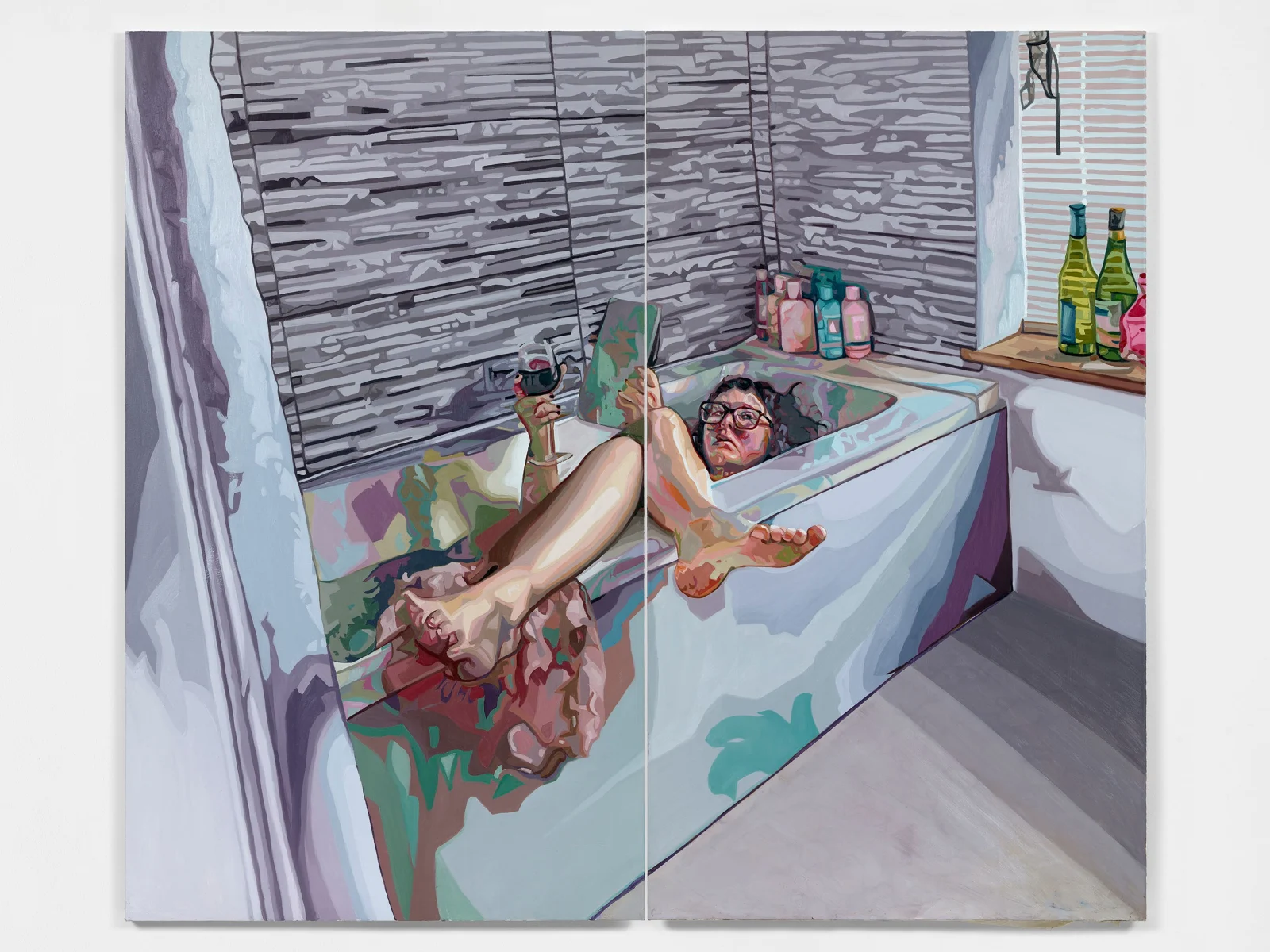
Emily Gillbanks
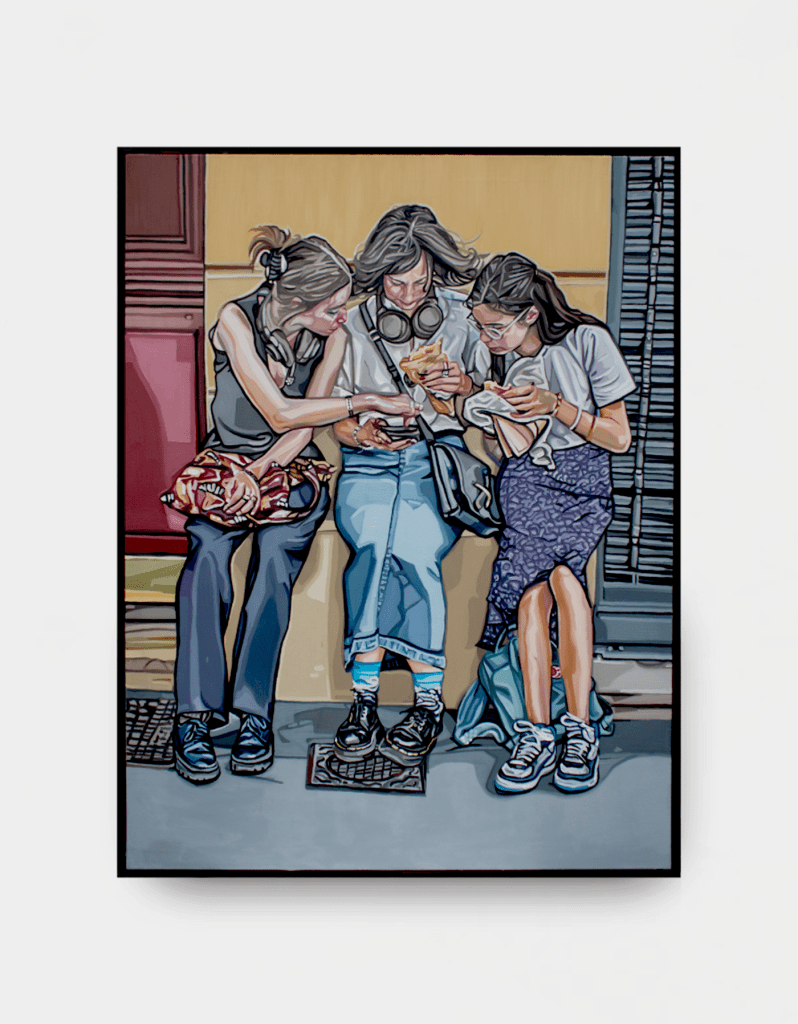
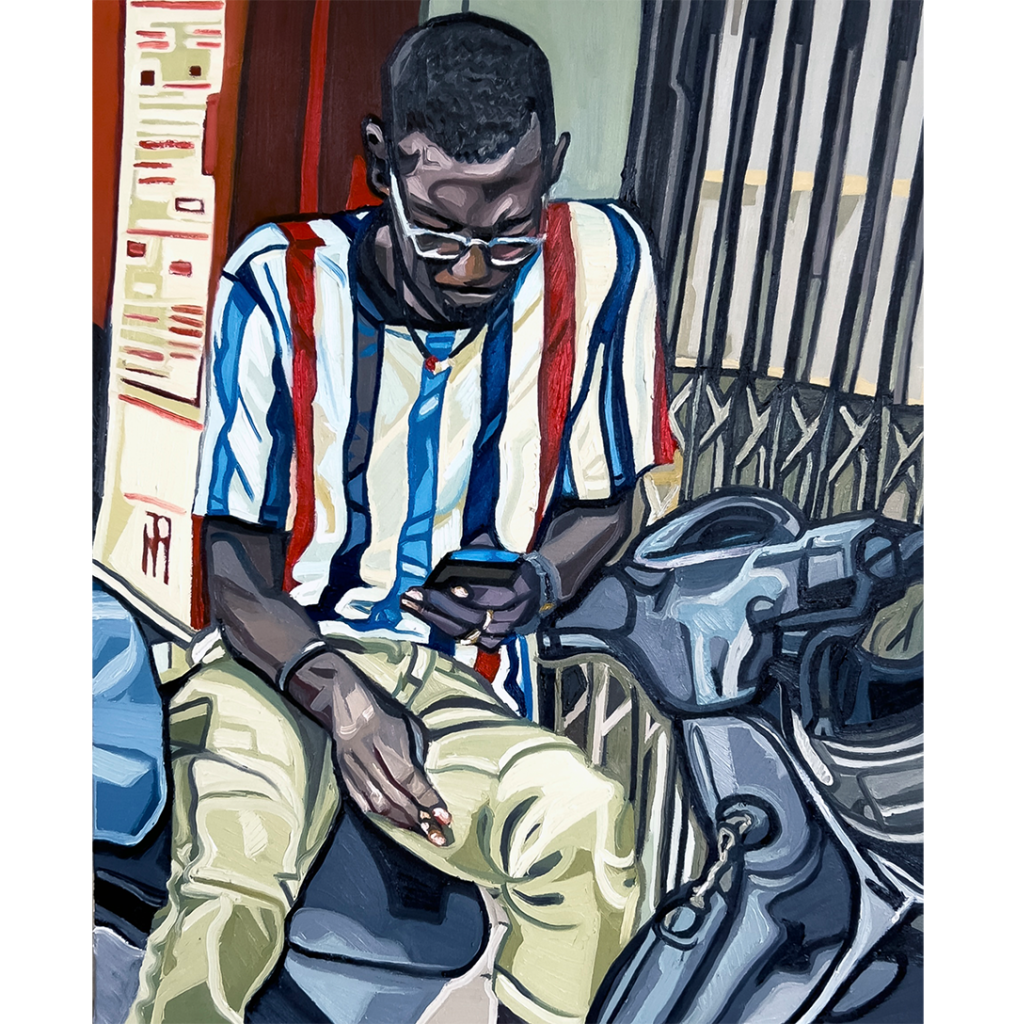
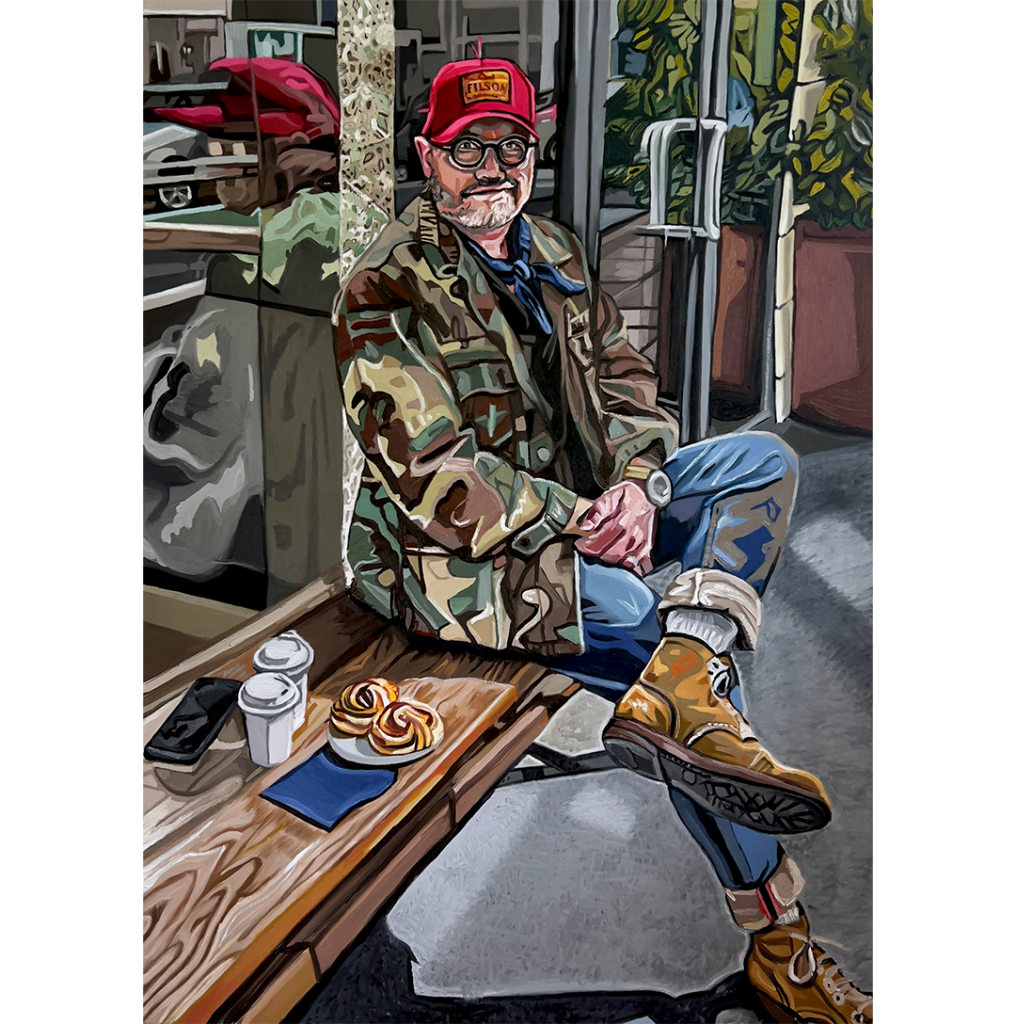
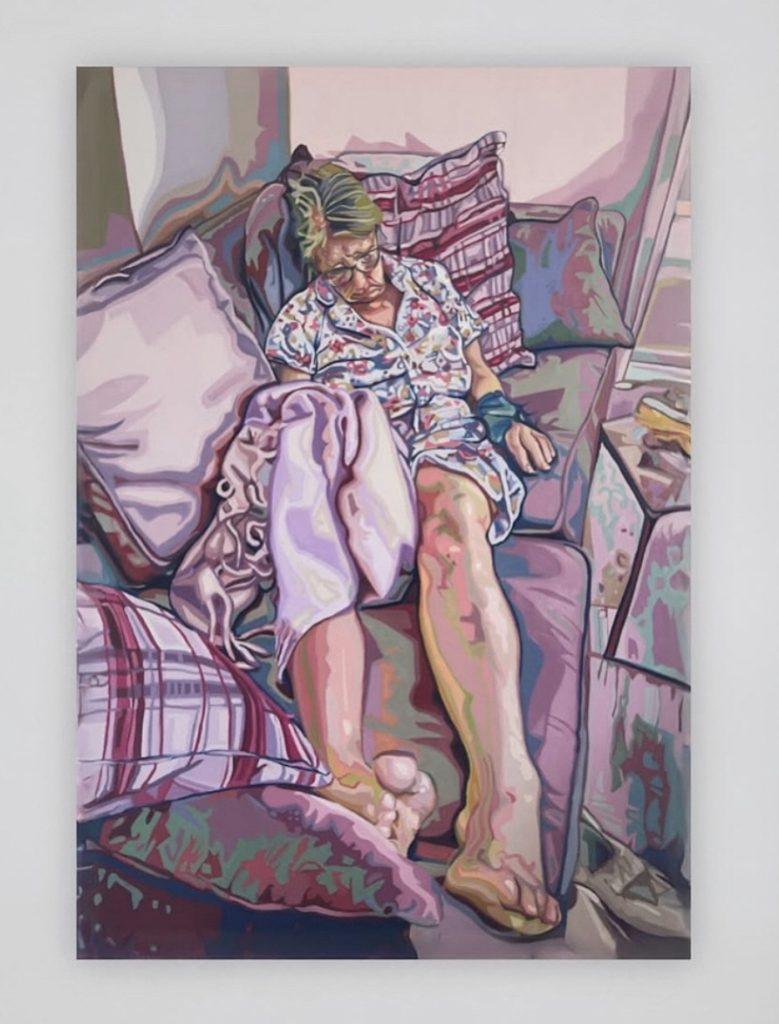
Emily Gillbanks (Born 1999 | Lives and works in Colchester, UK) is a contemporary figurative painter and researcher from East Anglia, United Kingdom.
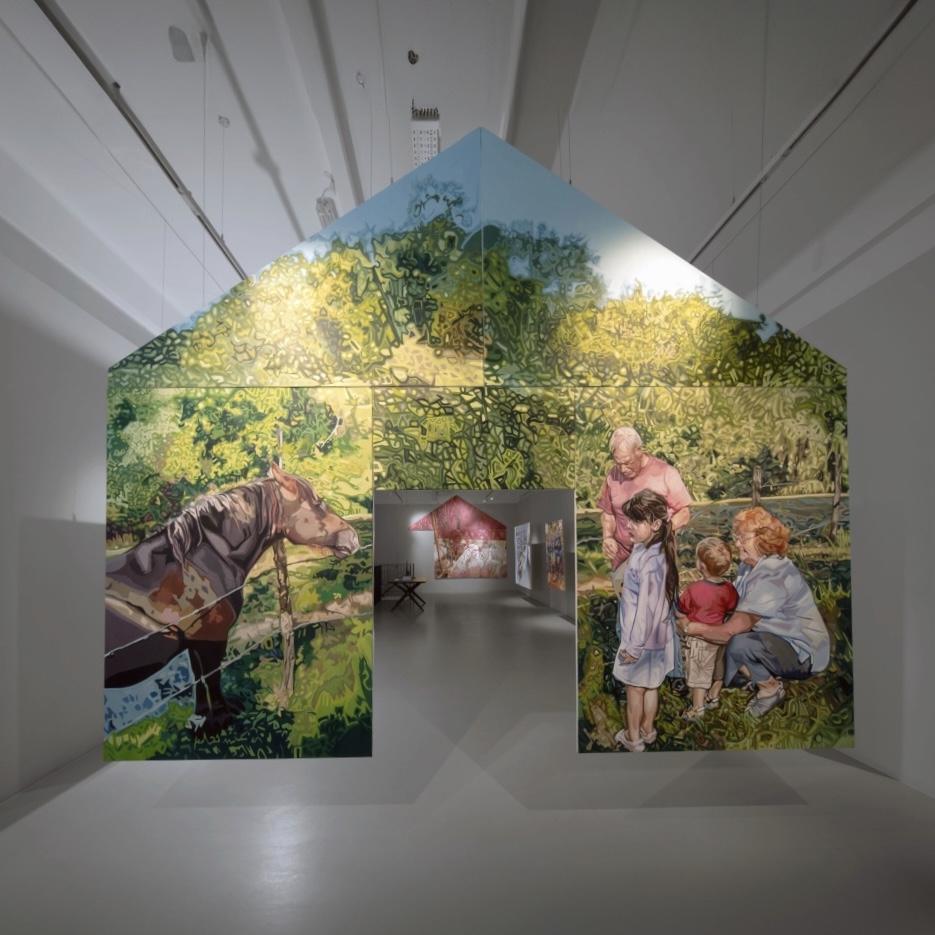
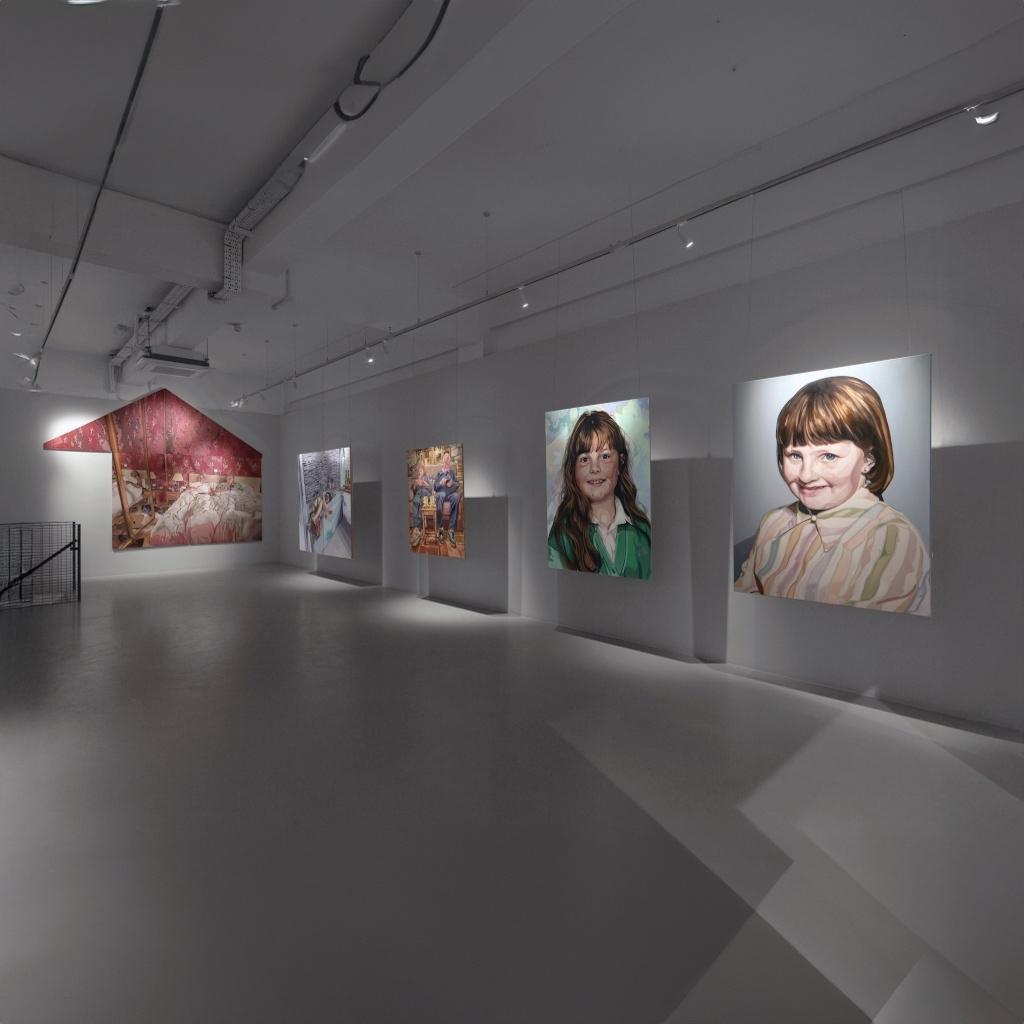
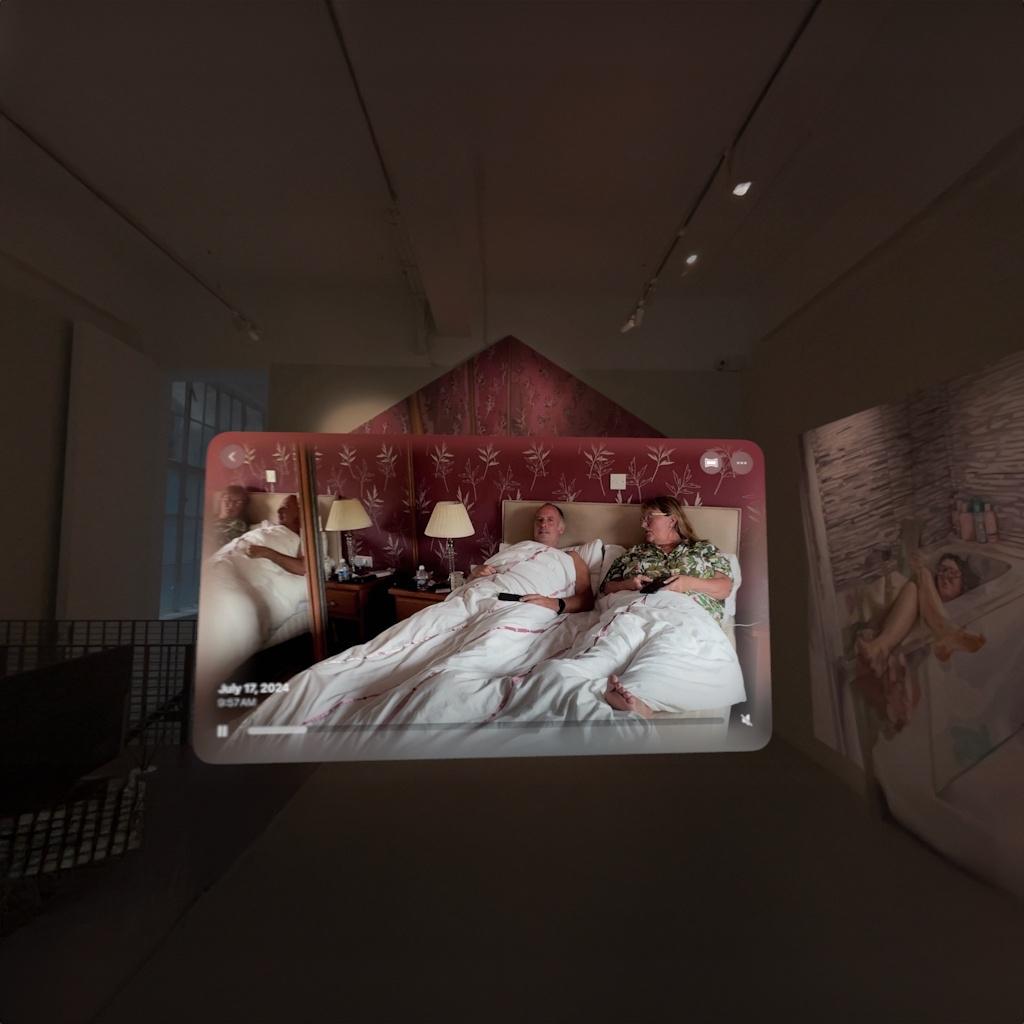
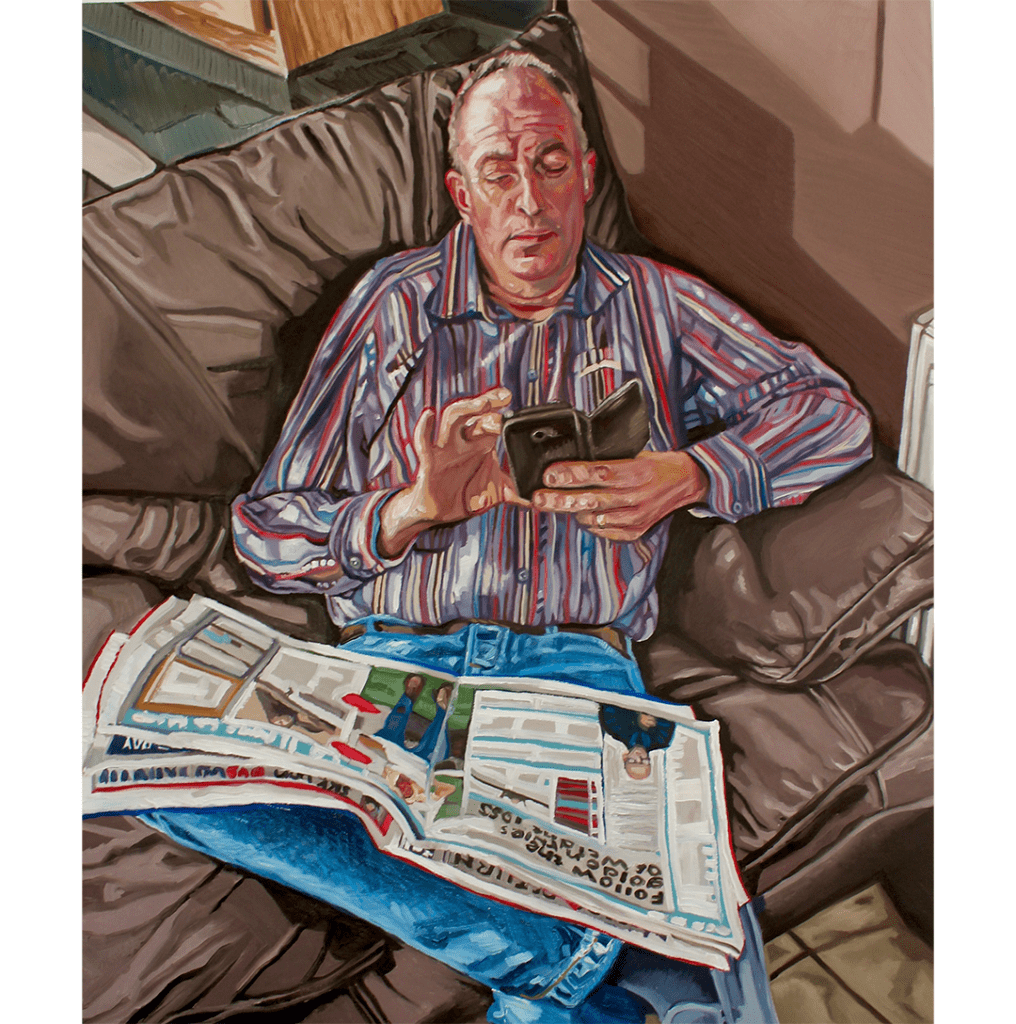
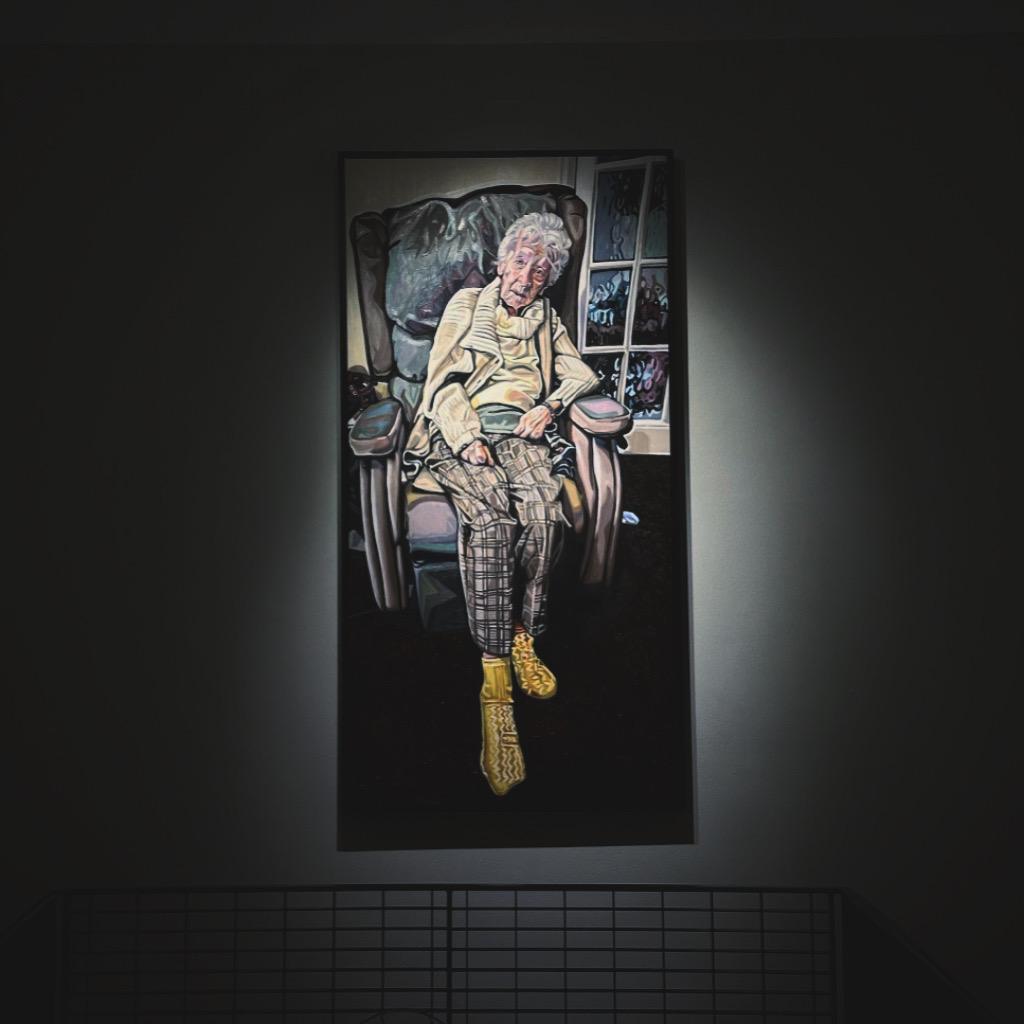
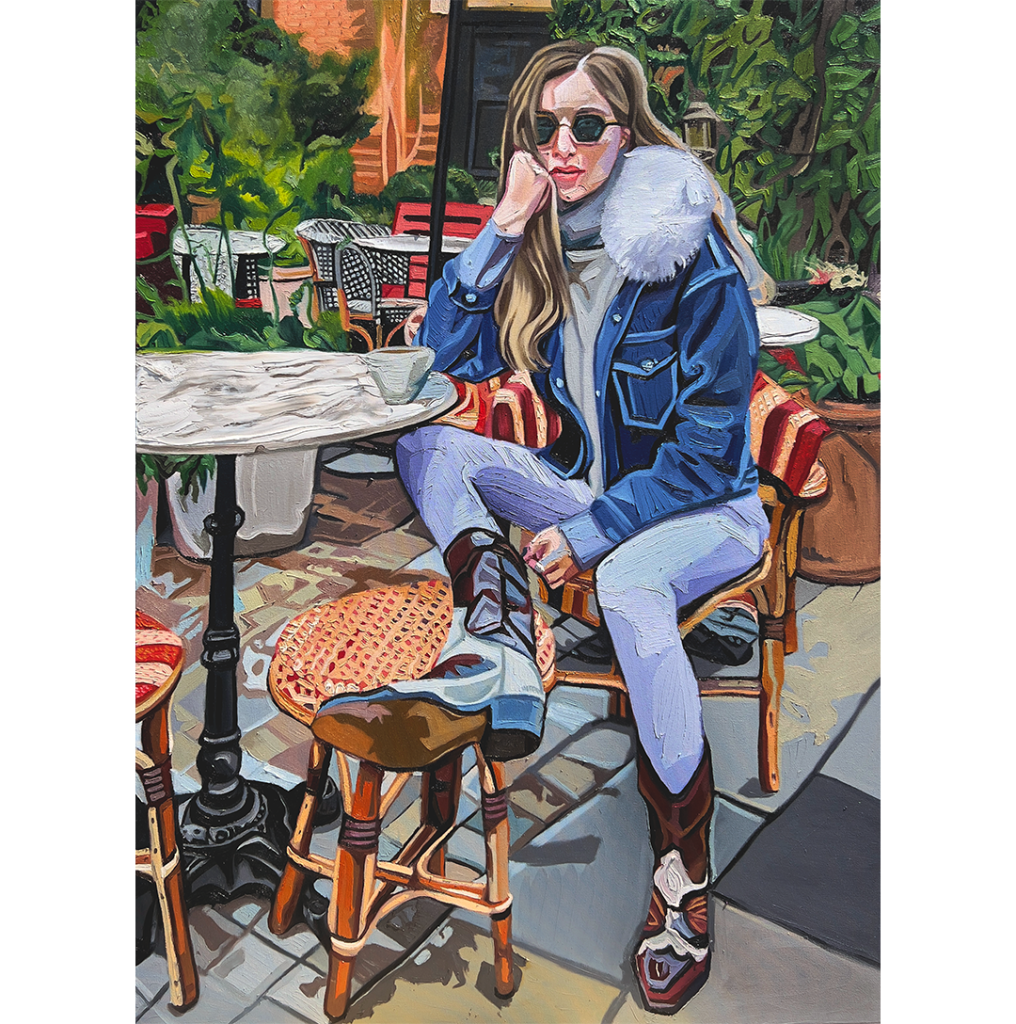
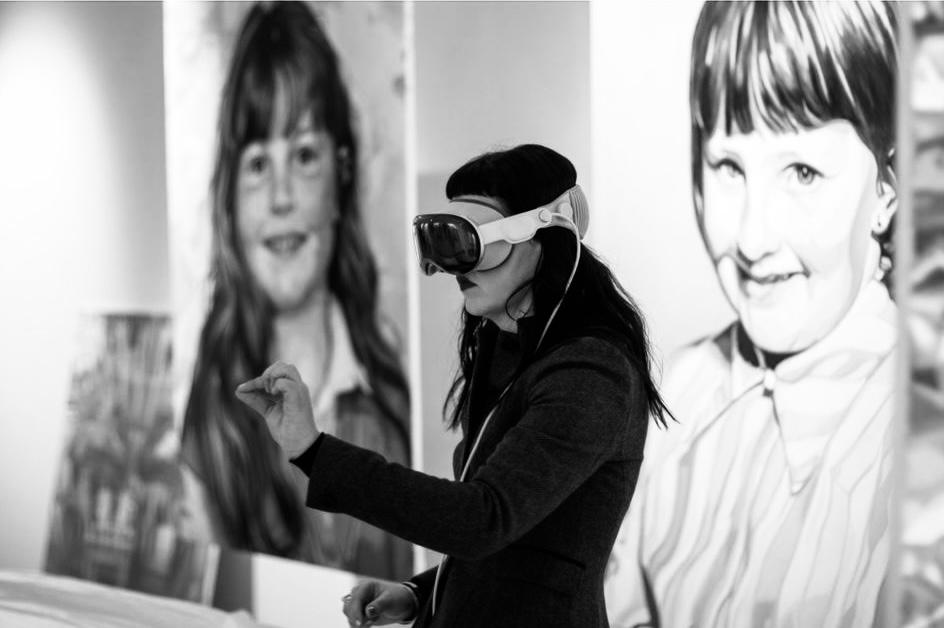
She most recently had her solo exhbition ‘HAUS: Everything is A Short-Lived Experience,’ at Hope 93 Gallery in London. The installation of paintings were a 3D construct suspended within the gallery (a Puppenhaus), which allowed viewers to become subjects, or puppets, within her childhood home alongside the use of the Apple Vision Pro, the exhibition captured each room referenced in the paintings through spatial films, allowing the audience to navigate and haptically engage with the spaces, adding an embodied facet to the experience. Emily studied for her MA in Painting at the Royal College of Art, receiving the Elizabeth Greenshields Foundation Grant twice and the Fribourg Philanthropies Painting Prize in 2022. She is the youngest person to have ever received an MA from the RCA. In 2024 and 2025, she was shortlisted for the Herbert Smith Freehills Prize at the National Portrait Gallery, and exhibited in the New Era group exhibition at Makasiini Contemporary, Finland. In early 2023, Emily collaborated with the Barbican Centre on a social media campaign discussing her paintings alongside Alice Neel’s retrospective. That year, she held her first solo exhibition, Temporary Sitters, at JD Malat Gallery, was the Chargeurs Philanthropies Artist in Residence in Marseille, and was the first artist to reside at the Daler-Rowney paint factory in Bracknell. In 2021, she received the de László Medal for Excellence in Painting for Three Things, exhibited in the Royal Society of British Artists Annual Exhibition. In 2020, she was shortlisted for both the BP Portrait Prize and the Freelands Painting Prize. Emily also exhibited with Hospital Rooms and graduated with a BA (Hons) in Fine Art from the University of Suffolk. Her paintings have been exhibited in London, Finland, Milan, and Los Angeles.
Interview with Emily Gillbanks
What inspired you to pick up a brush and start painting?
I began painting because I felt misunderstood. And in trying to understand others—those closest to me—I began a lifelong interrogation of relationship, perception, and place. My vantage points are not neutral. They betray the conditions of my looking, the tension of my position. I have always painted people I love as a way of locating myself.
The world can be unspeakably cruel, and I could never accept the idea that some people might go unseen. So I paint as a form of affirmation. You exist, I see you, and you matter. That remains the impulse behind everything I do.
One of my earliest memories of painting is from nursery school—painting our own versions of Father Christmas with poster paints. I remember mixing red, yellow, and white to approximate flesh. The teacher asked why I gave him purple lips. I said, because he’s cold. That memory has stayed with me. It reminds me that even then, I wanted to encode the human in small details—signals of life, mortality, truth.
Later, I would go to the National Portrait Gallery once a year with my mum. I would stare at the Ondaatje Wing portraits, imagining how I would mix those colours, how I would replicate a hand, a texture. Then I would go home and try. Always trying to make people look of today, rather than suspended in timelessness. I wanted to make the now visible.
When did your love of art start? Did you always want to be an artist?
My love for art began at primary school. Friday art club, where we learned from a large book with Matisse’s Snail printed on the front. Our headmistress, an art historian, ran the club. She spoke about art with reverence.
My grandparents also used to buy me art supplies every summer. The first oils I ever used were Daler Rowney Georgian oils, which are still the same ones I use today. I painted at their kitchen table, mixing colours from memory. Even then, I was searching for particular hues, for coolness in a raw umber, and figuring out how to use colours that capture the ways light sits on flesh.
I once thought I would be a forensic scientist. But then I won a small landscape competition and my painting was hung next to a Gainsborough. That was the first time I realised being an artist was even possible. I didn’t choose art. It chose me.
Now, even on days when I doubt everything and when silence surrounds the work, I know I will keep painting. Not for outcome, but for my love of painting.
What would be your advice for new artists just starting up?
Guard your voice. Let it emerge through solitude, repetition, and refusal. Don’t bend yourself for the shape of a gallery or an algorithm. Shape shift, yes, but do it with intent, not for approval.
Hold something back. Leave mystery in your work. Be enigmatic. Let people come to you. Those who need your way of seeing will find it. But place yourself where they might. Be visible, and be brave.
Believe in the way you see things. There will always be those who don’t understand what you see, or how you see them. Let them doubt you, but have the inner-confidence to never doubt yourself.
What is the best tip you were told early in your career?
Draw endlessly. Write, even more. Read widely and revisit what first moved you. Copy the masters not to imitate, but to study their grammar.
Engage with the world. Every moment is a potential inspiration. Speak with strangers. Try every brush in the shop. Let materials lead you sometimes.
Don’t compare. Art is not a competition.
And above all, be careful with what holds your attention. That is your most precious resource. Economise it wisely.
Where do you get your inspiration from?
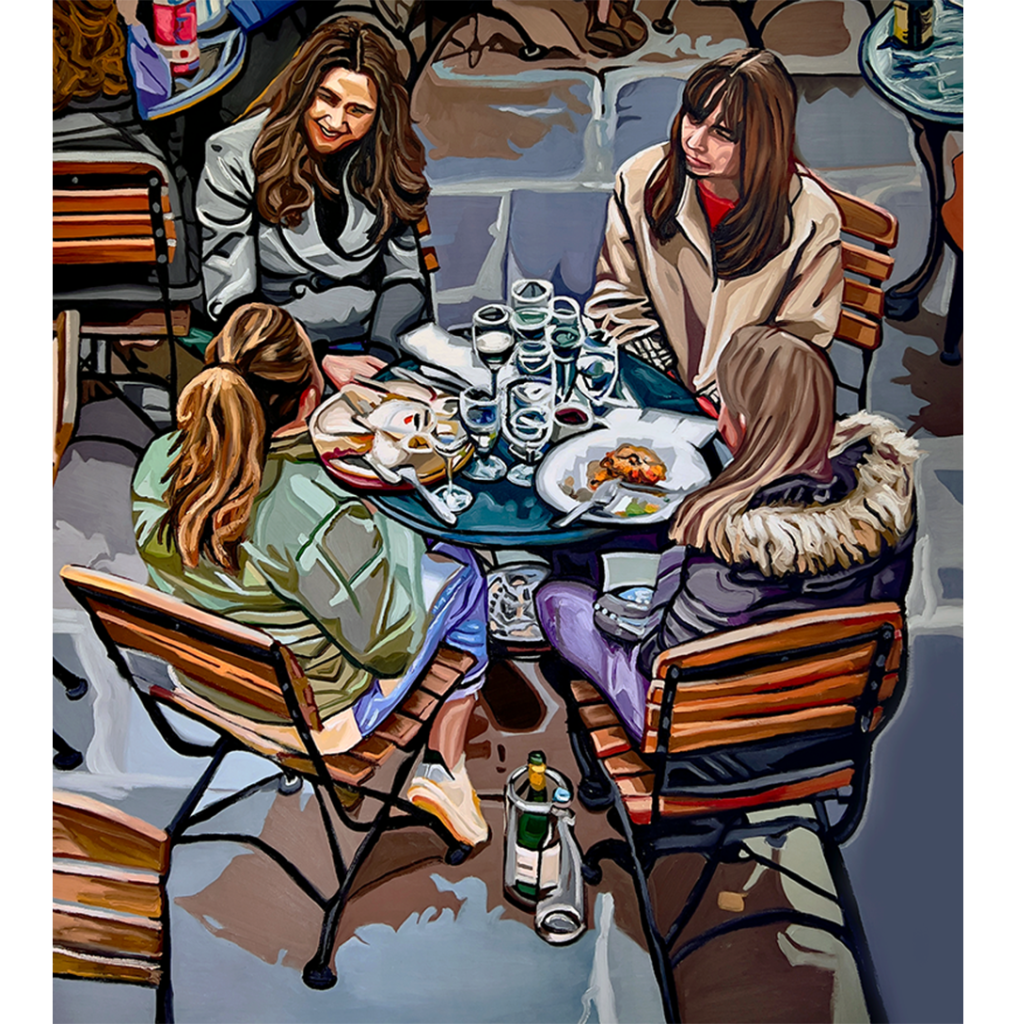
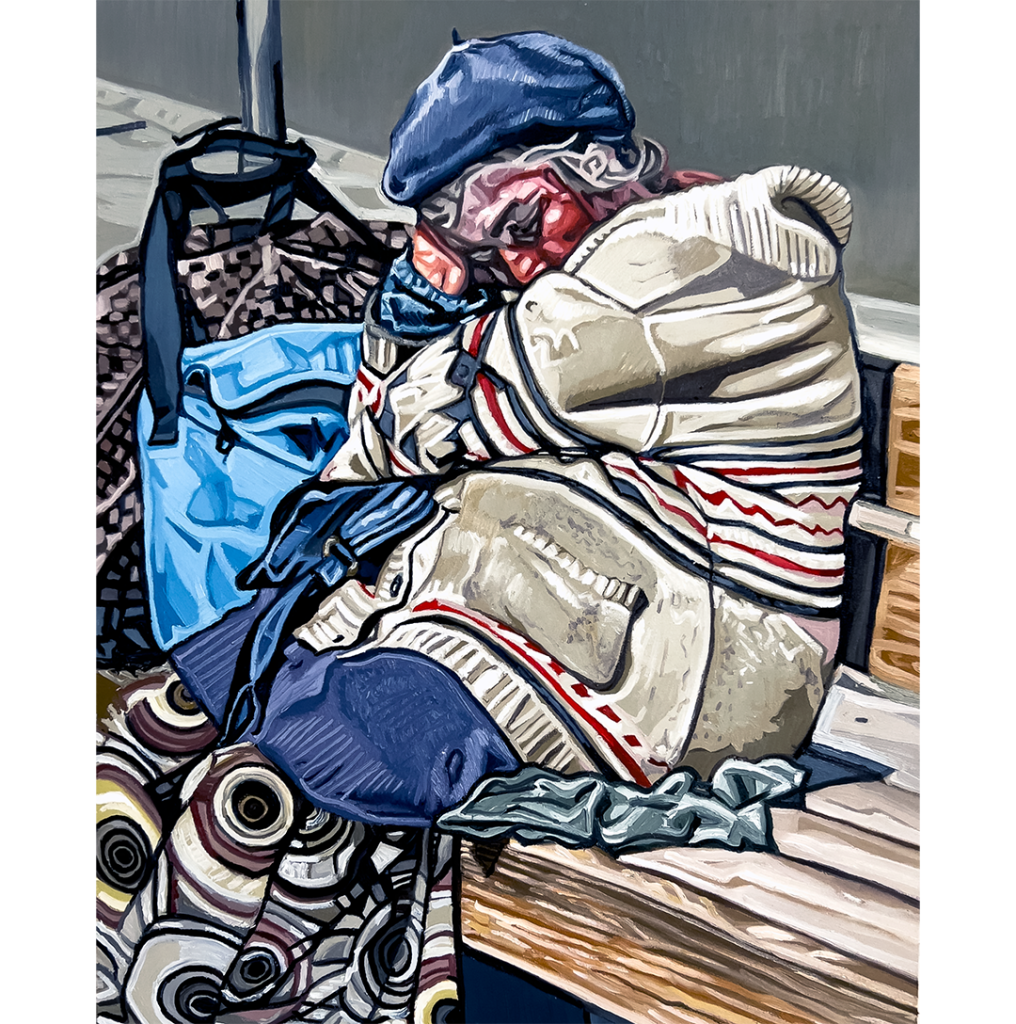
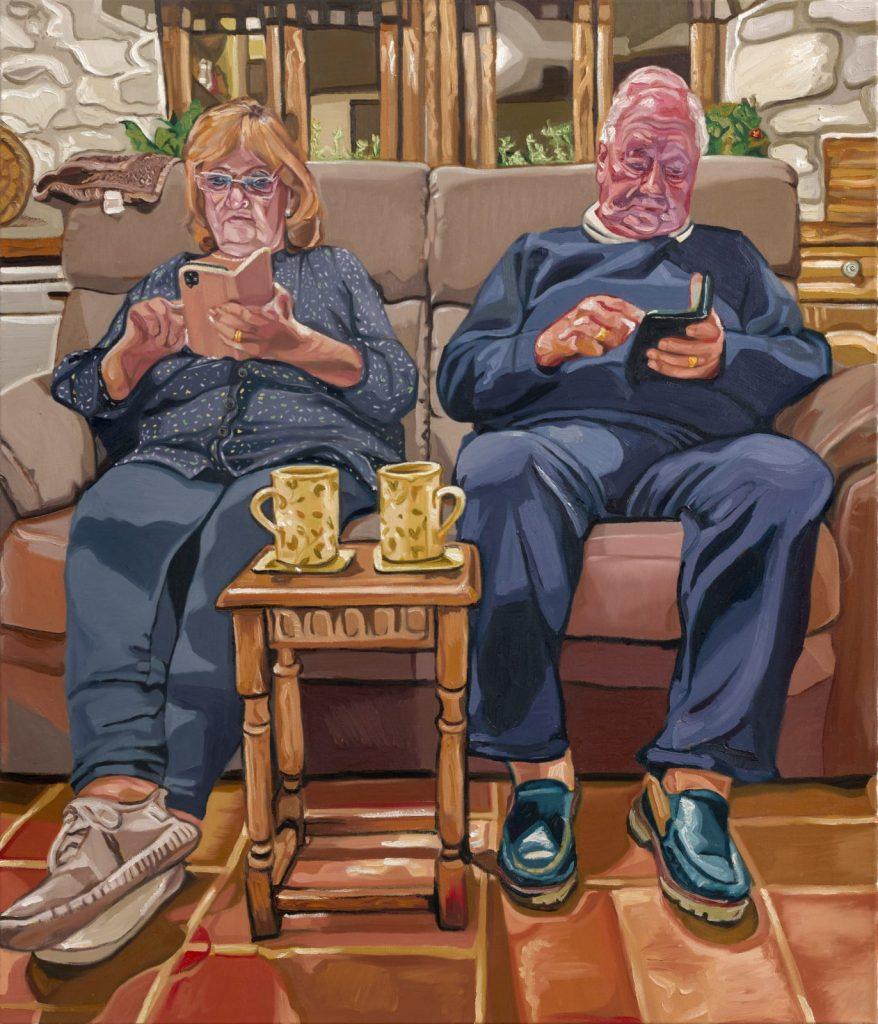
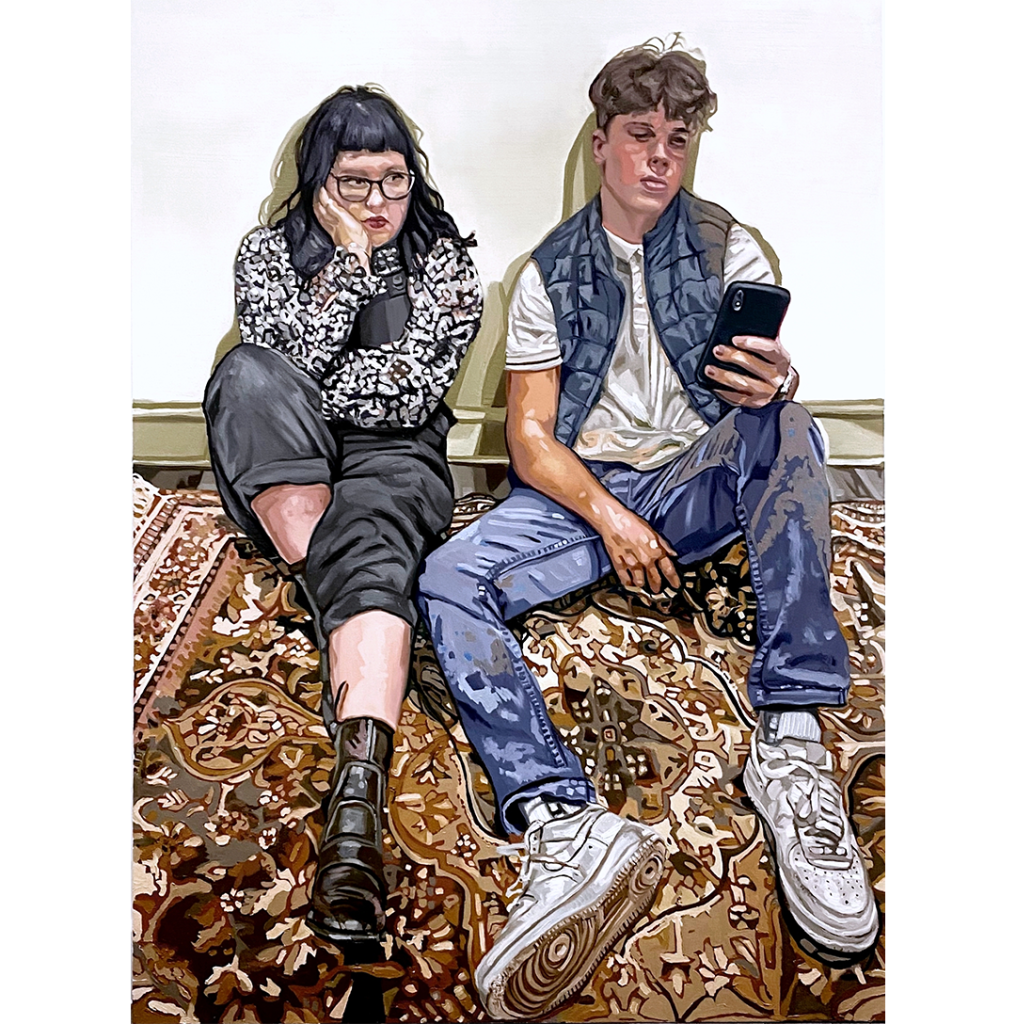
Modern life, in all its accidental poetry. The way a jacket echoes a rug. A moment of stillness between two moving bodies. A glance half held. Accidental angles that reveal systems of power (who looks, who is looked at, and why).
I’ve been moved by conversations with people painted by Alice Neel—those who sat for her. While working on her exhibition with the Barbican, I had the privilege of exchanging some messages with India Evans. Both her, and her parents were all painted by Neel. Their memories of sitting for her became a part of how I understand portraiture as a genre.
Stanley Spencer, too. His uncanny ability to render the texture of lived life through paint. When I saw his work at Tate Britain, I wanted to run home and touch everything in my flat just to figure out how to paint it.
Lately, I’ve been using the Apple Vision Pro to create 3D renders of my sitters (holographic presences that allow me to study the face beyond time). I ask myself, what is real observation, when our most intimate interactions play out through screens? What is a face-to-face encounter now?
What is your favourite Daler-Rowney product & why?
My favourite Daler-Rowney product is their Georgian oil colour in raw umber. It’s the anchor of my entire palette. I add it into almost every hue I mix; not only to create tonal depth but to establish a consistent coolness across my compositions. The coolness I have not found in any other brand’s version.
I first discovered it when I was still painting at my grandparents’ kitchen table, and it’s remained at the centre of my process ever since. Whether I’m building an underpainting or tempering over-saturated tones, raw umber is the pigment I trust to hold everything together. It’s become a way of thinking through colour as much as using it.
The Georgian brushes I use are mostly from the sable range. My absolute favourites are the brights in all sizes. They’re slightly squared off, which allows me to achieve very sharp outlines, but the softness of the brush heads also lets me build quite flat, even areas of colour. I turn to the fan brushes when I want to blend particular areas or render the brushmarks invisible. I’m always surprised by how well the fan brushes hold their shape. They seem to know exactly when to stay still and when to move.
What is a technique that you haven't tried yet that you would love to try & why?
What has been your favourite commission to date and why?
What has been your favourite exhibition/art trade fair that you have exhibited at and why?
What is a typical day in the life of an artist?
What inspired you to pick up a brush and start painting?
I began painting because I felt misunderstood. And in trying to understand others—those closest to me—I began a lifelong interrogation of relationship, perception, and place. My vantage points are not neutral. They betray the conditions of my looking, the tension of my position. I have always painted people I love as a way of locating myself.
The world can be unspeakably cruel, and I could never accept the idea that some people might go unseen. So I paint as a form of affirmation. You exist, I see you, and you matter. That remains the impulse behind everything I do.
One of my earliest memories of painting is from nursery school—painting our own versions of Father Christmas with poster paints. I remember mixing red, yellow, and white to approximate flesh. The teacher asked why I gave him purple lips. I said, because he’s cold. That memory has stayed with me. It reminds me that even then, I wanted to encode the human in small details—signals of life, mortality, truth.
Later, I would go to the National Portrait Gallery once a year with my mum. I would stare at the Ondaatje Wing portraits, imagining how I would mix those colours, how I would replicate a hand, a texture. Then I would go home and try. Always trying to make people look of today, rather than suspended in timelessness. I wanted to make the now visible.
When did your love of art start? Did you always want to be an artist?
My love for art began at primary school. Friday art club, where we learned from a large book with Matisse’s Snail printed on the front. Our headmistress, an art historian, ran the club. She spoke about art with reverence.
My grandparents also used to buy me art supplies every summer. The first oils I ever used were Daler Rowney Georgian oils, which are still the same ones I use today. I painted at their kitchen table, mixing colours from memory. Even then, I was searching for particular hues, for coolness in a raw umber, and figuring out how to use colours that capture the ways light sits on flesh.
I once thought I would be a forensic scientist. But then I won a small landscape competition and my painting was hung next to a Gainsborough. That was the first time I realised being an artist was even possible. I didn’t choose art. It chose me.
Now, even on days when I doubt everything and when silence surrounds the work, I know I will keep painting. Not for outcome, but for my love of painting.
What would be your advice for new artists just starting up?
Guard your voice. Let it emerge through solitude, repetition, and refusal. Don’t bend yourself for the shape of a gallery or an algorithm. Shape shift, yes, but do it with intent, not for approval.
Hold something back. Leave mystery in your work. Be enigmatic. Let people come to you. Those who need your way of seeing will find it. But place yourself where they might. Be visible, and be brave.
Believe in the way you see things. There will always be those who don’t understand what you see, or how you see them. Let them doubt you, but have the inner-confidence to never doubt yourself.
Products Used

Georgian Traditional Oil Paint

Georgian Oil Brush
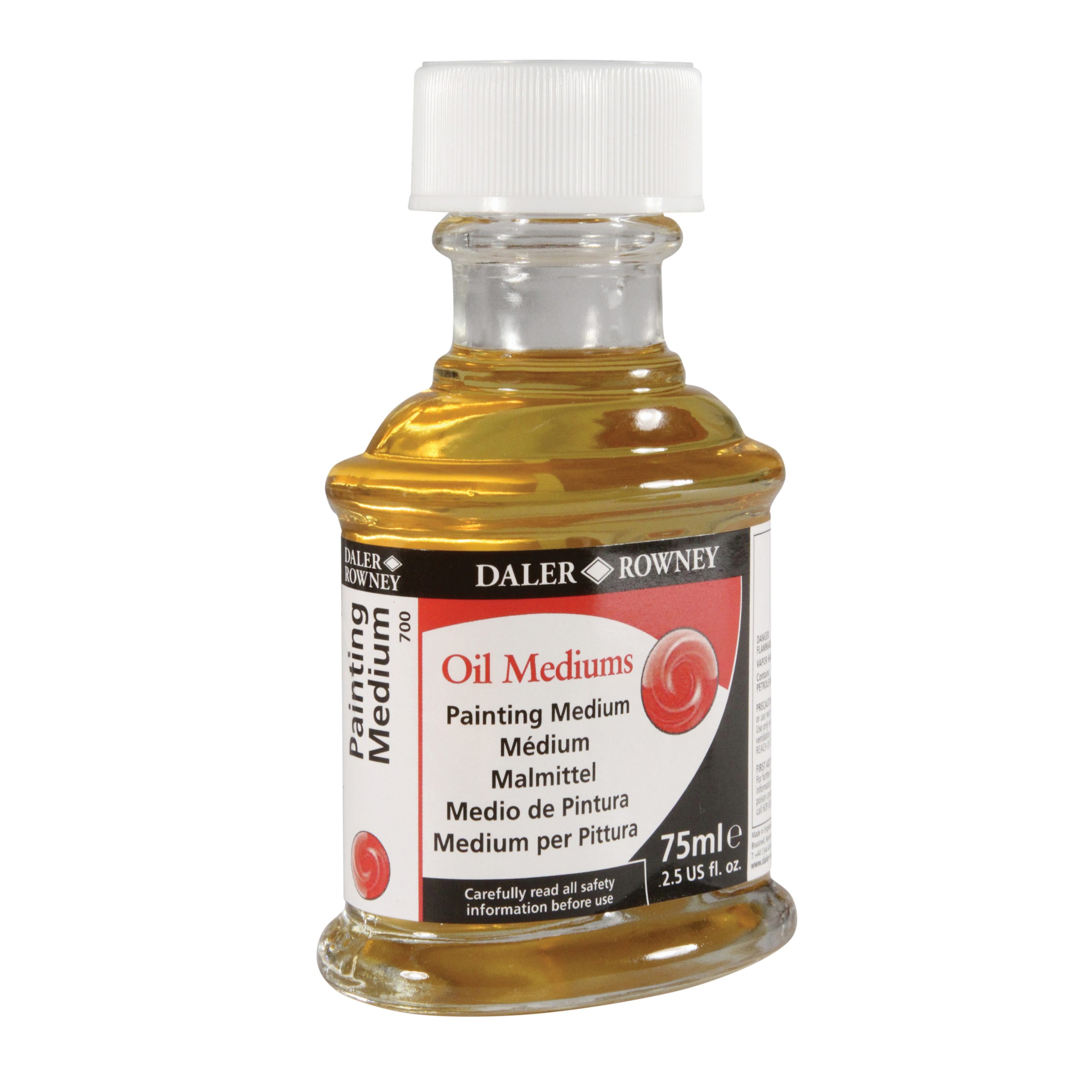
Georgian Oil Painting Medium

Artists’ Stretched Canvas
-
Oils
Georgian Traditional Oil Paint
Georgian Oil paints are traditionally crafted using high-quality triple-milled pigments, resulting in a smooth, buttery consistency and rich colour intensity. These low-odour oils can be applied directly from the tube with a brush or palette knife, or thinned to create delicate glazes. They offer reliable and even drying times, becoming surface dry within 4 to […]LEARN MORE -
Brushes
Georgian Oil Brush
The Georgian Hog Bristle long-handled brush range is expertly designed for fine art oil painting. It features extra-fine quality Chungking bristles, renowned for their natural ability to hold a generous amount of paint and deliver it smoothly with flexible, controlled strokes. The brush combines style and function, with a sleek black shadow ferrule and handle […]LEARN MORE -
Oil Mediums
Georgian Oil Painting Medium
Daler-Rowney Georgian Oil Painting Medium is a versatile all-purpose medium designed for use with oil paints. It dries to a tough, flexible film and produces a beautiful, translucent glaze, enhancing the depth and luminosity of your work. Easy to handle, it is especially suitable for beginners looking to explore oil painting. Oil paints require specialised […]LEARN MORE -
Canvases
Artists’ Stretched Canvas
The Artists’ Stretched Canvas is crafted from superior-quality, heavyweight 400gsm, acid-free, 100% cotton with a medium grain surface. It is triple-primed to provide a ready-to-use painting surface ideal for both oils and acrylics, ensuring excellent paint adhesion while preventing seepage through to the reverse. The canvas is stretched over a heavy wooden frame, reinforced with […]LEARN MORE
How to's & Collaborations
-

‘Painting Perception’ Emily Gillbanks’ 2025 Residency at Daler-Rowney
In July 2025, contemporary figurative painter and researcher Emily Gillbanks undertook a unique residency at the Daler-Rowney factory in Bracknell. -
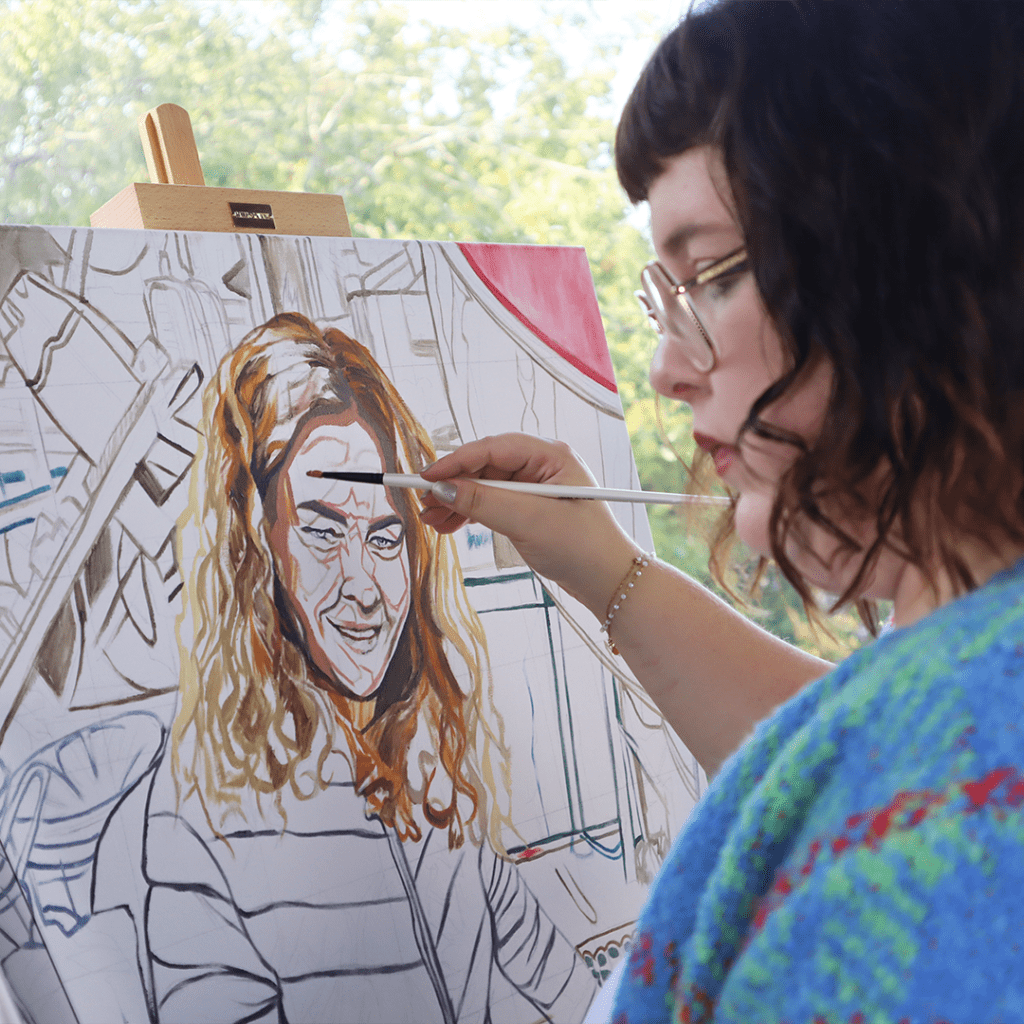
Emily Gillbanks 2023 Residency x Daler-Rowney
In October 2023, Daler-Rowney launched its first artist residency with painter and researcher Emily Gillbanks, marking the beginning of a new programme supporting artists through in-house collaboration and creative exploration.

Find a Store Near You
Our products are available in thousands stores nationwide. Use our Store Locator to find your nearest retailer and explore our network of trusted art supply specialists. Visit in person to experience the quality firsthand, receive expert advice, and shop your favourite Daler-Rowney products locally.

Contact Us
Got a question? Start by browsing our FAQs for quick answers. If you can’t find what you’re looking for, get in touch by selecting the form that best matches your enquiry. We’d love to hear from you and are always happy to assist!


